
AI assisted editorial. Published following automated quality checks, not independent fact verification. Confirm factual, safety and legal matters with appropriate professionals.
The short answer
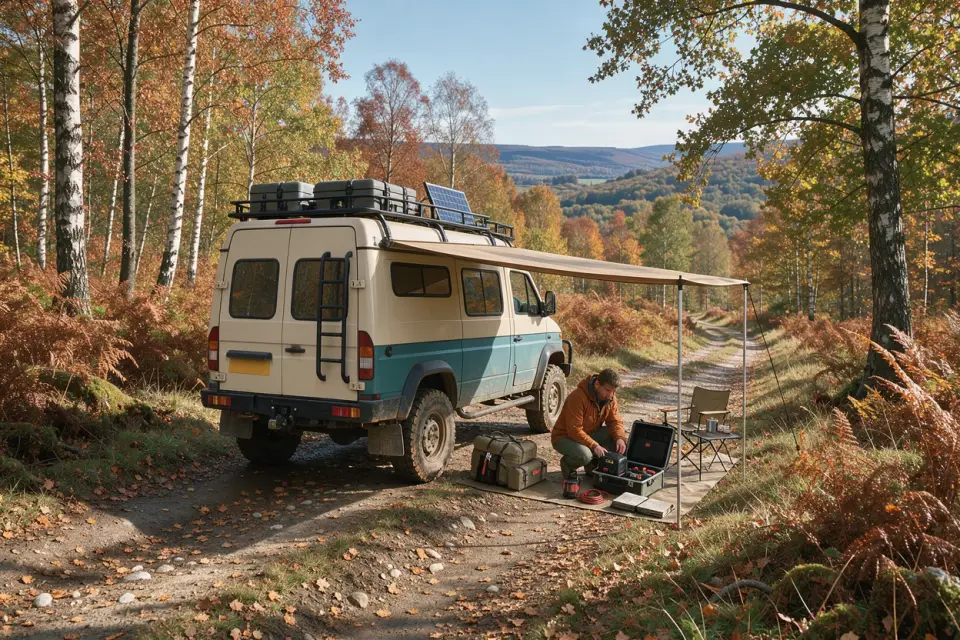
Singles' Day on 11 November brings global retail promotions, but successful overlanding demands restraint. Instead of collecting novelty gadgets, use the date as an intentional planning milestone to audit actual vehicle payload, sleep comfort, and camp power needs before committing to gear for upcoming expeditions.
Key takeaways
- Audit your vehicle payload and packing volume before browsing any seasonal retail promotions.
- Prioritise core living essentials sleep warmth, dependable power, and water storage over novelty camp accessories.
- Demand clear specifications on dimensional fit, power draw, and field serviceability before buying.
- Test every new acquisition on a short local shake down trip well before departing on a major overland journey.
Why Singles' Day Requires a Rig First Filter
The Singles' Day retail event on 11 November generates considerable commercial noise across outdoor and automotive categories. For overland travellers, large scale sales events present a specific hazard: impulse additions that compromise vehicle dynamics and complicate camp organisation. Every kilogram added to a roof rack, drawer system, or rear bumper impacts fuel economy, centre of gravity, and suspension wear.
A disciplined overland purchase should solve an identified friction point from a previous journey rather than introduce an unvetted gadget. Whether planning expeditions across northern European tracks or preparing for milder southern routes, gear must earn its place through durability, compact stowage, and everyday utility. Approaching seasonal sales as a scheduled audit rather than a shopping spree ensures any acquired item genuinely supports life on the road.
The Needs First Evaluation Framework
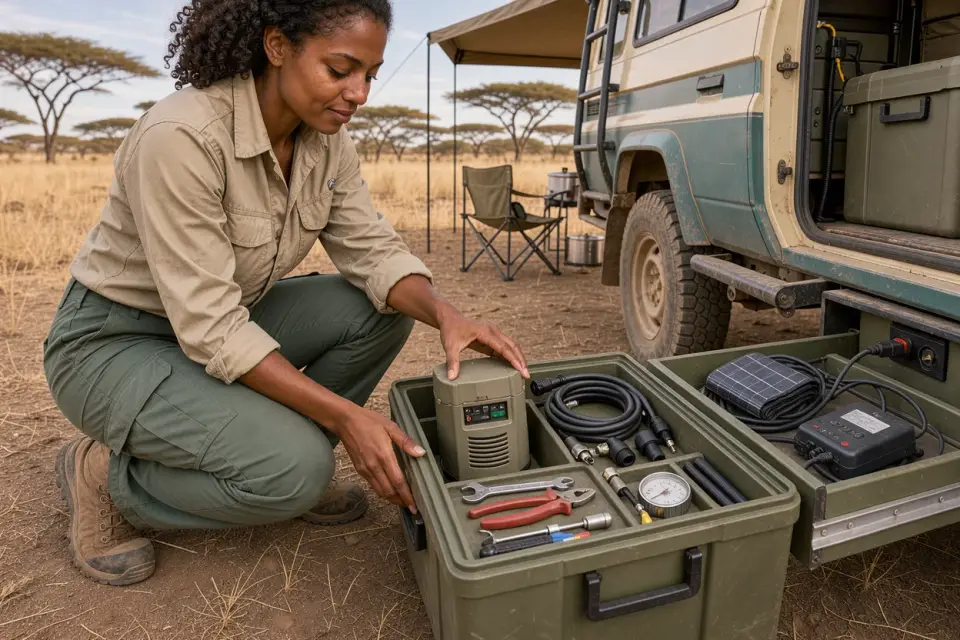
To evaluate potential purchases objectively during high volume sales windows, score items against four operational criteria: pack efficiency, power compatibility, field serviceability, and functional overlap. Pack efficiency measures whether an item packs down into existing storage boxes without requiring dedicated exterior mounting. Power compatibility ensures any electrical gear matches your auxiliary battery chemistry, cable gauges, and daily solar replenishment budget.
Field serviceability assesses whether an item can be repaired with standard hand tools, bypass fuses, or universal spare parts while remote. Functional overlap scrutinises whether the prospective tool replaces an existing item or merely duplicates a role you already handle adequately. Equipment scoring poorly on field serviceability or pack efficiency should be avoided regardless of any advertised promotional discount.
Hypothetical Decision Example: Autumn Rig Upgrades
Consider a hypothetical decision example involving two travellers preparing an estate car or mid sized four wheel drive for shoulder season touring. During the November promotional window, they identify two competing options within their pre allocated camp budget: an elaborate 12 volt heated awning annex or a pair of high R value self inflating sleeping mats paired with modular recovery boards.
The heated annex appears appealing for cold evenings but carries significant drawbacks: it adds bulky pack volume, draws substantial auxiliary current, and requires complex setup in windy conditions. Conversely, the insulated mats directly address nighttime heat loss without electrical demand, while the recovery boards provide passive safety margin across muddy seasonal tracks. In this hypothetical comparison, choosing passive thermal insulation and traction tools provides superior overland resilience over high maintenance active accessories.
Questions to Ask Sellers Before Purchasing
Promotional events often accelerate buying decisions, making pre purchase enquiries vital to avoid unsuitable kit. When communicating with retailers or manufacturers, ask specifically: What are the exact packed dimensions including travel bags and mounting hardware? Request confirmation of actual continuous power draw under real world ambient temperatures rather than ideal laboratory ratings.
Inquire about the availability of replacement hardware, seals, and wiring harnesses outside the primary promotional period. Finally, ask what warranty support applies when items are used in off pavement environments or exposed to sustained road vibration. A seller unable to provide clear technical details regarding mounting fasteners, ingress protection, or spare parts is best bypassed.
Testing and Integrating Gear for Road Life
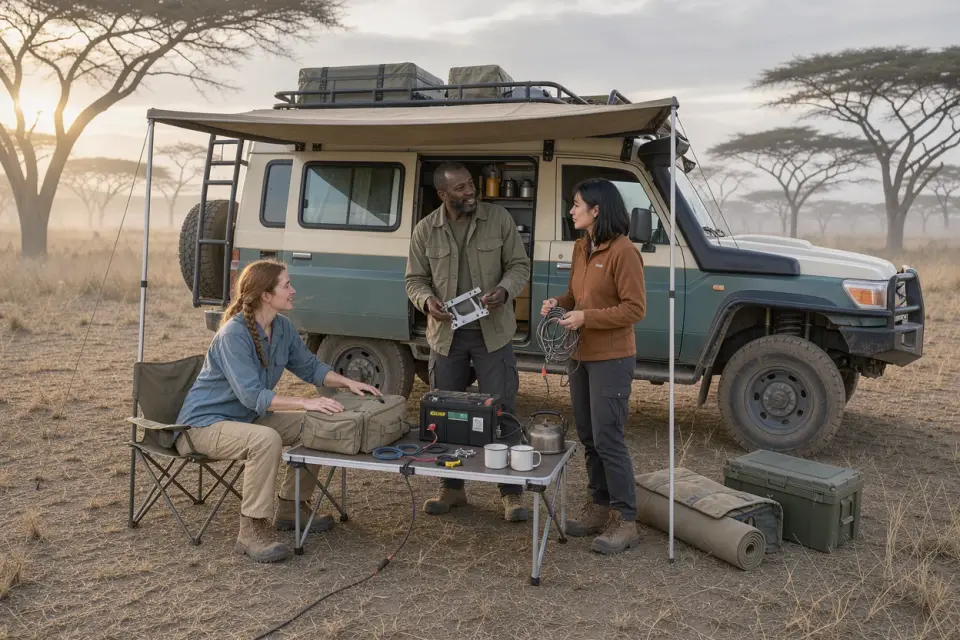
Any equipment acquired around 11 November should undergo thorough inspection upon delivery. Check stitching on canvas goods, test seam seals on awnings, and verify that electrical connectors seat securely without play. Measure the loaded dimensions against your vehicle interior or canopy drawers to ensure latches close without strain.
Never depart on a significant overland expedition with untested kit fresh out of retail packaging. Schedule an overnight shake down camp close to home to practice deployment in dark or wet conditions. This low risk trial confirms whether the item genuinely streamlines camp life, fits smoothly into your daily routine, and delivers dependable performance on future journeys.
Common questions
How should I determine my gear budget ahead of November sales events?
Base your budget on unresolved problems identified during past trips rather than available promotions. Set a strict spending cap and a firm payload allowance to ensure purchases do not overload your vehicle.
Are specialised overland electronics worth purchasing during general sales?
Only if they match your system specifications. Verify that battery chargers, monitors, or lighting components share compatible voltages, connectors, and protocols with your existing auxiliary setup.
What is the biggest risk of buying overland accessories on Singles' Day?
The primary risk is payload creep accumulating heavy, single use accessories that clutter living space, degrade vehicle handling, and add failure points to your mobile living setup.