
AI assisted editorial. Published following automated quality checks, not independent fact verification. Confirm factual, safety and legal matters with appropriate professionals.
The short answer
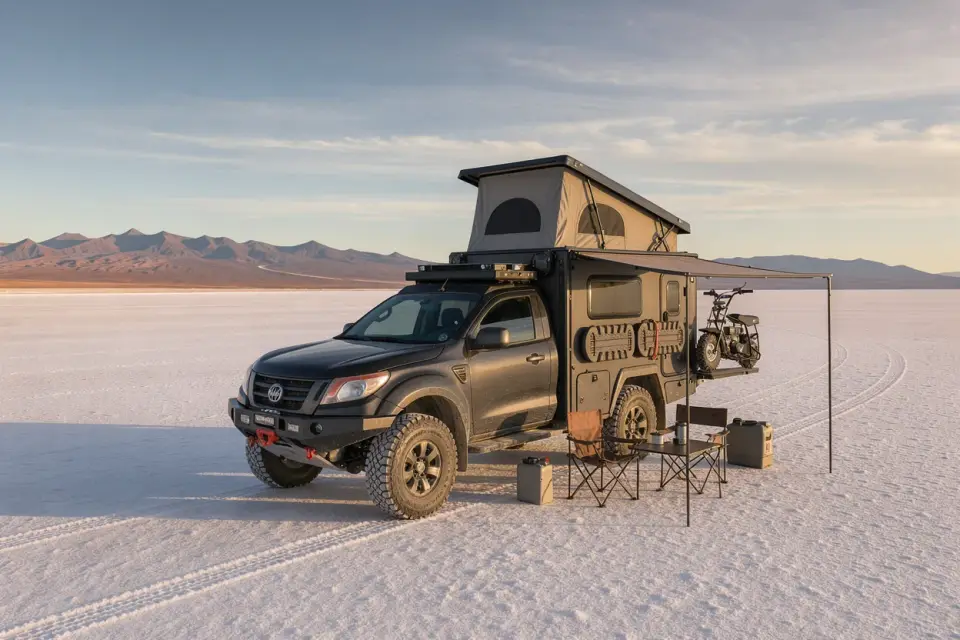
Carrying a secondary two wheeled machine on an overland trip discounts nimble trail scouting, quick errands from basecamp, and recreation without packing down your living quarters. This guide examines how lightweight options, including recreational mini bikes and entry level dirt bikes from FRP Moto, integrate with overland rigs, payloads, and life on remote tracks.
Key takeaways
- Assess your rig's gross vehicle weight rating and hitch limits before adding a secondary bike carrier or garage mount.
- Define whether your priority is low speed track scouting, camp utility errands, or youth and beginner recreation.
- Consider fuel management, vapour venting, and engine fluid containment when travelling with petrol machines inside living spaces.
- Verify regional trail access rules and land designations, as non road registered recreational bikes face specific use restrictions.
The Role of Secondary Bikes in Vehicle Based Travel
When travelling overland in a large expedition truck, a laden four wheel drive, or a camper van, setting up camp is often an involved process. Deploying awnings, levelling the chassis, and setting out cooking gear makes running a quick errand or scouting an unknown trail inconvenient. A secondary lightweight motorcycle mounted to a rear hitch carrier or stowed in an interior garage gives travellers the freedom to explore narrow tracks without disturbing the main living base.
Beyond convenience, carrying a compact bike provides an element of reconnaissance. Overlanders frequently encounter questionable water crossings, washed out forestry tracks, or tight dead ends that could trap a heavy vehicle. Sending a lightweight machine ahead to survey track conditions saves fuel, prevents dangerous turnaround manoeuvres, and reduces wear on the primary expedition platform.
However, integrating any additional vehicle into an overland setup requires trade offs. Weight is the primary constraint. Every kilogram allocated to a motorcycle, hitch rack, tie down system, and riding gear directly reduces your available payload for water, fuel, and provisions. Careful selection of machine size and displacement is essential to ensure the bike adds utility rather than mechanical strain to your overland vehicle.
Partner Overview: FRP Moto Options for Camp and Trail
To understand where smaller machines fit into adventure travel, it helps to examine dedicated recreational ranges. FRP Moto discounts gas powered mini bikes and dirt bikes designed primarily for beginner riders, teens, and recreational off road enthusiasts. According to brand information, their line up spans entry level 40cc models through to 99cc mini bikes and manual clutch dirt bikes, supported by replacement components and upgrade options.
It is important to recognise that these machines are manufactured as entry level powersports and trail recreation vehicles rather than purpose built, long distance overland dual sports. While they do not provide the heavy luggage capacity or highway touring range of full sized adventure motorcycles, their small physical footprint makes them an accessible consideration for travellers seeking an affordable pit bike or trail scout.
When assessing partner options such as the FRP Moto, Mini Bikes & Dirt Bikes · US range, buyers should separate recreation from rigorous utility. An entry level machine may excel at gentle track discovery around a desert camp or introducing family members to off road riding, but overland buyers must evaluate frame strength, suspension travel, and long term durability against the rugged environments they plan to traverse.
Overland Practical Comparison Framework
Choosing a secondary motorcycle for vehicle based travel requires balancing physical footprint against trail capability. The following comparison framework outlines three typical approaches to carrying two wheels on an overland rig.
Compact Mini Bikes (40cc to 99cc): These machines feature small wheels, low seat heights, and automatic centrifugal clutches. Advantages: Extremely light weight, small physical footprint that fits inside compact van garages or across rear mounted cargo trays, and simple operation that requires minimal rider experience. Trade offs: Very limited ground clearance, basic suspension unsuitable for deeply rutted tracks, and no legal street registration, restricting use strictly to private land or designated off highway vehicle areas.
Small Displacement Trail & Dirt Bikes (110cc to 150cc): Often featuring manual clutches and larger wheel sizes, these machines handle uneven backcountry terrain more effectively. Advantages: Better ground clearance for clearing rocks and fallen branches, robust frames, and sufficient power for steeper ascents. Trade offs: Greater weight that impacts vehicle tongue ratings, taller dimensions requiring high clearance hitch haulers, and increased complexity for roadside maintenance.
Full Sized Dual Sport Motorcycles (250cc+): Purpose built for mixed surface travel and highway compliance. Advantages: Full road legality for town supply runs, heavy duty suspension, and ample luggage carrying capacity. Trade offs: Substantial weight (often exceeding 130 kg) requiring heavy duty suspension modifications to the carrying vehicle, significant aerodynamic drag, and considerable loading difficulty for solo travellers.
Crucial Questions to Ask Sellers Before Purchasing
Before purchasing any compact motorbike to mount on your overland vehicle, seek concrete details from the retailer or manufacturer regarding transport suitability and maintenance. Consider asking these practical questions:
1. Does the fuel tank or carburettor system feature an integrated shut off valve to prevent petrol leaks during rough vehicle transport over corrugated tracks?
2. What is the exact dry and wet weight of the machine, and what are the structural tie down points recommended for transit on a vehicle hitch rack?
3. How readily available are routine consumable parts, such as spark plugs, drive chains, clutch cables, and air filters, for delivery to regional locations or remote depots?
4. What are the manufacturer specified weight limits for riders and cargo, and does the frame accommodate aftermarket rack options?
5. What grade of engine oil and fuel mixture is required, and does the machine run reliably on standard pump fuel without requiring specialised additives?
Hypothetical Decision Example: Balancing Rig Space and Trail Utility
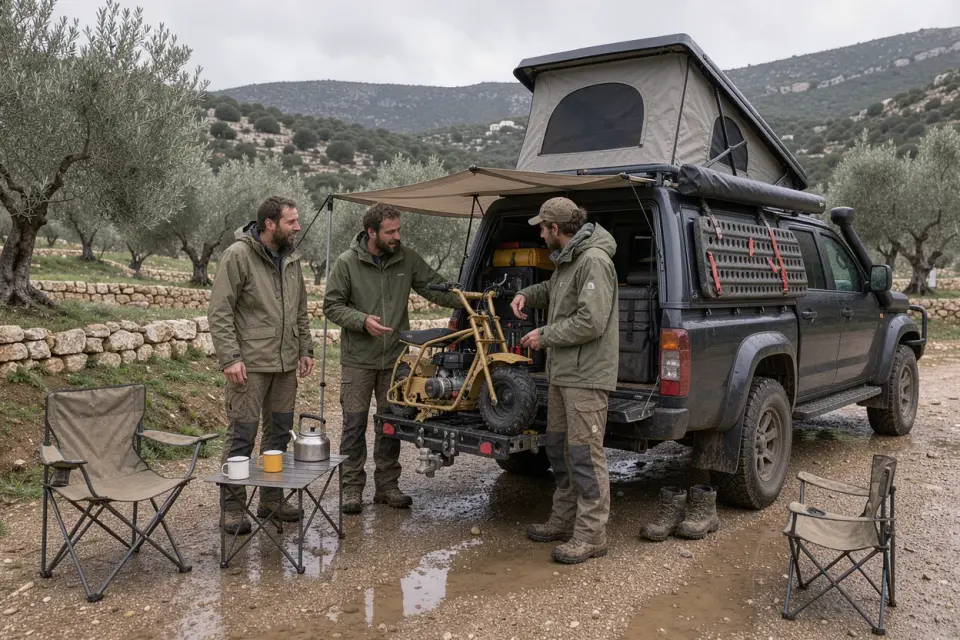
Consider this clearly labelled hypothetical scenario: Marcus and Sarah travel in a four wheel drive dual cab ute fitted with a canopy camper. Their available remaining payload is 220 kg, and their rear hitch receiver is rated for a maximum vertical tongue load of 140 kg. They want an auxiliary vehicle for short trips from camp to fishing spots along riverbanks and to check forestry track conditions ahead.
Option A is a 250cc dual sport motorcycle weighing 135 kg wet. While it discounts full road legality for runs into distant towns, combining the motorcycle with a heavy duty steel hitch carrier (30 kg) totals 165 kg, which exceeds their vertical hitch limit and severely compromises the vehicle's rear axle weight.
Option B is a compact 99cc mini bike, representative of the smaller platforms produced by builders like FRP Moto, with an estimated wet weight of under 45 kg. Combined with an aluminium hitch hauler (18 kg), the total load on the receiver is roughly 63 kg well within their hitch and axle limits. While they sacrifice road legality and high speed stability, the mini bike fulfills their primary need for low speed track scouting and recreational mobility without compromising the handling and safety of their main overland platform.
Storage, Transport, and Camp Management on the Road
Transporting a small motorcycle on the back of an overland vehicle exposes it to continuous vibration, dust, and weather. If using an external hitch carrier, ensure the machine is secured with heavy duty cam straps or ratchet straps pulling down on reinforced structural points, and use a dedicated wheel chock to prevent lateral movement. Secondary safety cables connected directly to the primary chassis provide peace of mind on corrugated outback roads.
For travellers carrying bikes inside an enclosed van garage or camper interior, fuel odour containment is a vital health and comfort factor. Always close the fuel petcock and allow the carburettor bowl to run dry before stowing the bike indoors. Ensure your sleeping quarters have adequate cross ventilation to prevent lingering petrol fumes from causing discomfort or safety hazards.
Finally, practice responsible trail stewardship. Compact recreational bikes and mini bikes often lack certified spark arrestors or low noise exhaust baffles. In sensitive backcountry areas, excessive noise can disturb wildlife and fellow campers. Check local regulations regarding off highway vehicle permits, ensure your machine meets forestry fire regulations, and stick strictly to designated trails to prevent environmental erosion.
Common questions
Can small recreational dirt bikes and mini bikes be legally ridden on public roads during an overland trip?
Most entry level mini bikes and small recreational dirt bikes are designed strictly for closed courses or private land and lack the horn, indicators, mirrors, and emissions certification required for highway registration. Always verify regional transport regulations before riding off private boundaries.
How do you safely transport petrol powered bikes inside an overland camper garage?
Turn off the fuel petcock, drain the carburettor float bowl, and allow the engine to cool completely before loading. Secure the bike upright using rated anchors and maintain continuous interior airflow to prevent the buildup of noxious petrol vapours near your sleeping quarters.
What basic maintenance items should be carried on the road for a secondary trail bike?
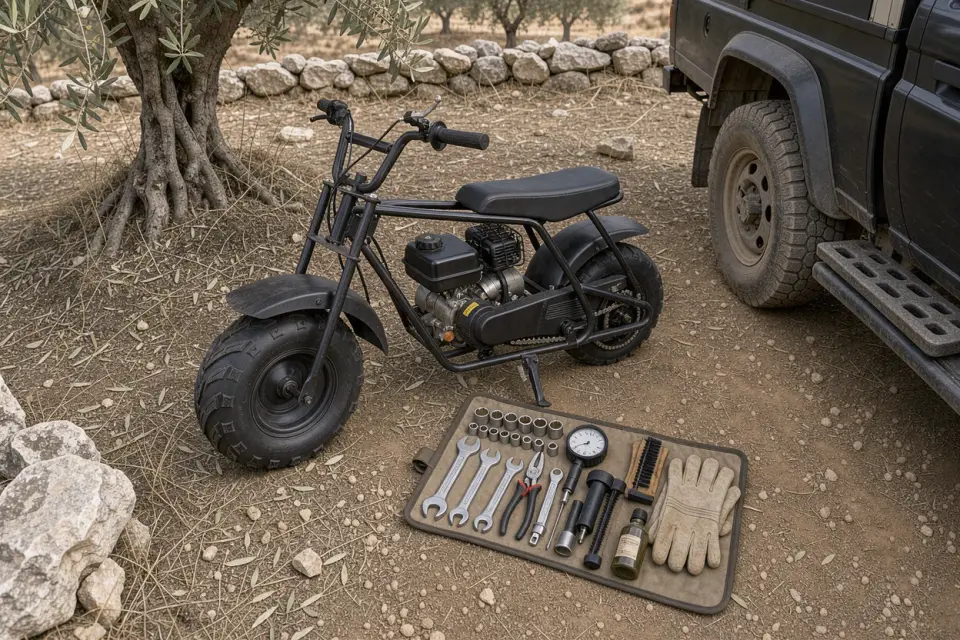
Pack a matching spark plug, basic metric hand tools, chain lubricant, spare master links, tyre repair cords or spare inner tubes, a compact hand pump, and a small container of the correct engine oil to handle camp side servicing without needing external workshops.
How does carrying a motorcycle on a rear hitch carrier affect an overland 4x4's handling?
Mounting weight behind the rear axle exerts a cantilever effect that levers load off the front steering axle. This can cause rear suspension sag, reduce front tyre grip, increase body roll on winding tracks, and severely decrease your vehicle's departure angle over steep obstacles.
Partner discounts in this guide
Overland Finds may earn a commission from qualifying purchases made by customers through this link, at no additional cost to you. This does not imply independent product testing or endorsement. Confirm current terms and availability with the partner.
FRP Moto, Mini Bikes & Dirt Bikes · US
Explore FRP Moto's range of gas powered mini bikes and dirt bikes, designed for beginner riders, teens and recreational off road enthusiasts. From entry level 40cc bikes to 99cc mini bikes and manual clutch dirt bikes, discover powersports machines, replacement parts and upgrade options for your next riding adventure.
- Valid in
- US
- Discount
- Explore FRP Moto's range of gas powered mini bikes, dirt bikes and replacement parts for off road riding adventures.