
AI assisted editorial. Published following automated quality checks, not independent fact verification. Confirm factual, safety and legal matters with appropriate professionals.
The short answer
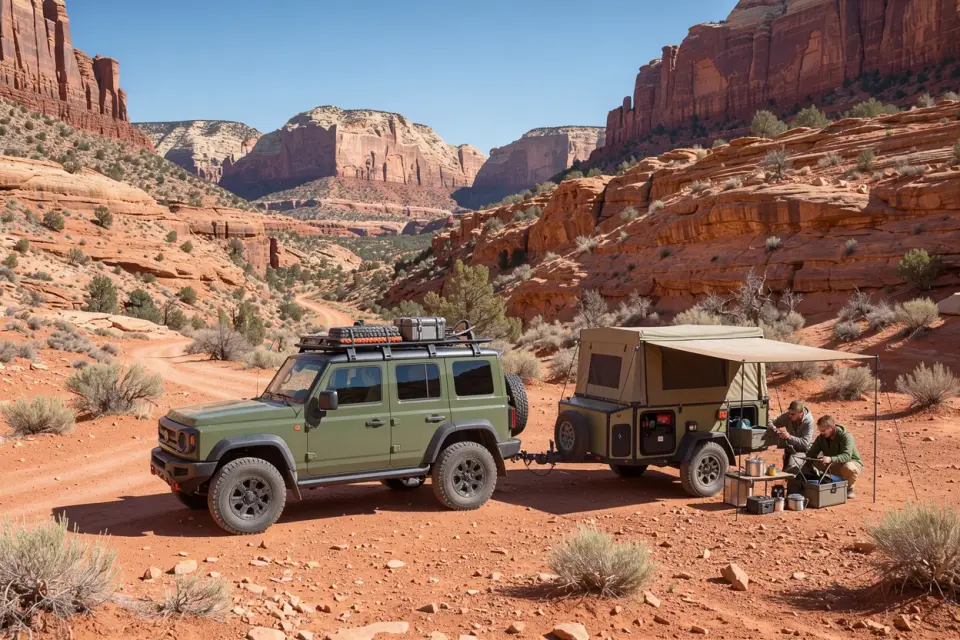
Preparing for seasonal sales like Black Friday requires an objective audit of your overland vehicle, gear payload, and camp routine rather than reacting to discounts. By establishing strict spatial constraints, assessing real running costs, and vetting gear against actual travel friction, you ensure every purchase genuinely earns its place on long distance road trips.
Key takeaways
- Conduct a rigorous rig audit before browsing sales to identify genuine camp friction points rather than speculative gear wants.
- Set non negotiable physical constraints for payload weight and vehicle volume before evaluating any seasonal overland equipment.
- Calculate the complete installed cost of any vehicle accessory, including mounting brackets, wiring, and routine maintenance overhead.
- Focus expenditure on core living reliability such as camp sleep systems and food preservation rather than novelty camp gadgets.
Audit Camp Routines Before Browsing Seasonal Sales
Major commercial sales events can easily distract even experienced overland travellers with steep perceived discounts on elaborate accessories. However, loading an adventure vehicle with equipment that solves non existent problems only adds clutter, hampers fuel economy, and complicates everyday camp life. The most effective way to prepare for Black Friday on 27 November 2026 is to look back objectively at your most recent road journeys.
Reflect on where actual friction arose during your travels. Did you lose time unpacking awkward plastic crates in pouring rain to reach basic cooking supplies? Did your existing bedding struggle during unexpectedly cold nights in remote valleys? Or was your electrical setup unable to keep basic communications charged over a rainy weekend? Listing genuine pain points experienced on the trail creates an evidence based shopping criterion that filters out clever marketing gimmicks.
Establish Your Rig's Payload and Storage Budget
Every vehicle used for self sufficient adventure travel has finite capacity. Overloading a 4x4, estate car, or camper van impacts handling, accelerates suspension wear, and compromises braking distances on loose mountain tracks. Before adding any item to a seasonal shortlist, consult your vehicle's gross vehicle weight rating and determine how much usable payload remains after accounting for passengers, water, recovery equipment, and fuel.
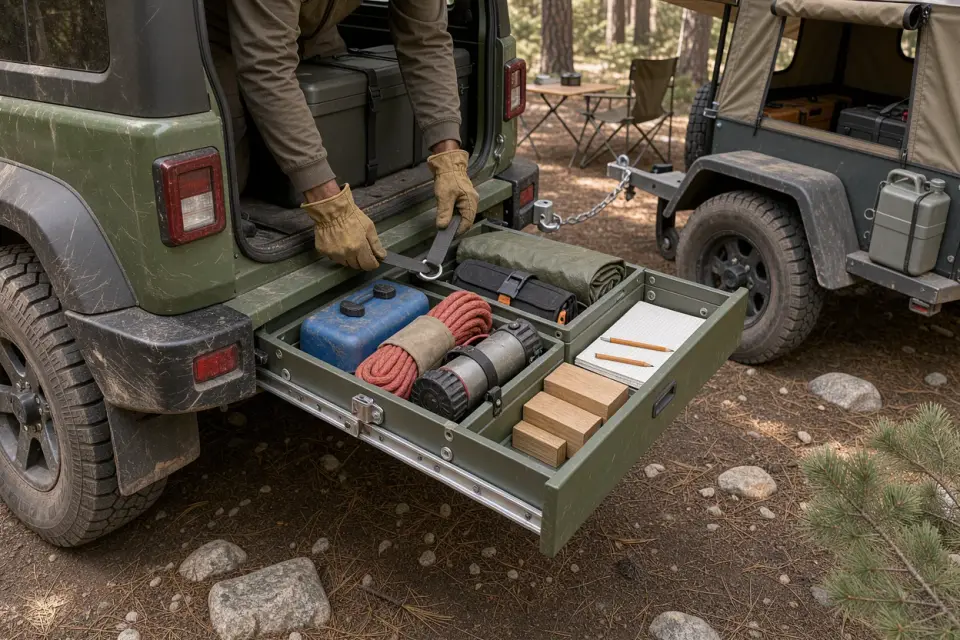
Equally vital is your physical interior volume. A bulky auxiliary fridge, a massive hard shell rooftop tent, or a multi piece drawer system occupies permanent real estate inside or on top of your rig. Measure your available cargo area precisely and assign a volume limit to any prospective purchase. If a shortlisted piece of gear forces you to relocate essential safety kit or makes daily packing tedious, it represents poor value regardless of any seasonal markdowns.
The Practical Total Cost Assessment Framework
Overland accessories rarely function as standalone purchases. A seemingly economical deal on an auxiliary battery, an awning, or an exterior lighting bar can quickly trigger substantial supplementary expenses. To evaluate any potential acquisition properly, apply a total installed cost framework across four distinct categories before committing funds.
First, evaluate mounting and installation requirements. Does the hardware require bespoke vehicle specific brackets, heavy duty roof bars, or drilling into the bodywork? Second, examine electrical integration, tallying up cable runs, fuses, isolators, and distribution panels. Third, calculate the impact on ongoing operational overhead, including additional aerodynamic drag on motorway transits. Finally, account for long term serviceability and spare parts availability when travelling far from mainstream retail hubs.
Questions to Ask Equipment Suppliers and Retailers
When communicating with gear vendors during late autumn promotional periods, focus your enquiries on durability, vehicle compatibility, and trail repairability rather than transaction terms. Clarify whether the product's fixing points and housings are rated for prolonged corrugated road vibration and sustained exposure to driving rain, winter road salt, and sub zero temperatures.
Ask whether spare components such as replacement zip pulls, wiring looms, mounting feet, or replacement seals can be purchased independently should an item fail midway through a multi week expedition. Inquire about manufacturer warranty procedures: will you be expected to ship a heavy or bulky component back at your own expense, or does the supplier support field diagnostics and component replacement while you are actively on the road?
Hypothetical Decision Example: Evaluating an Off Grid Cooling Upgrade
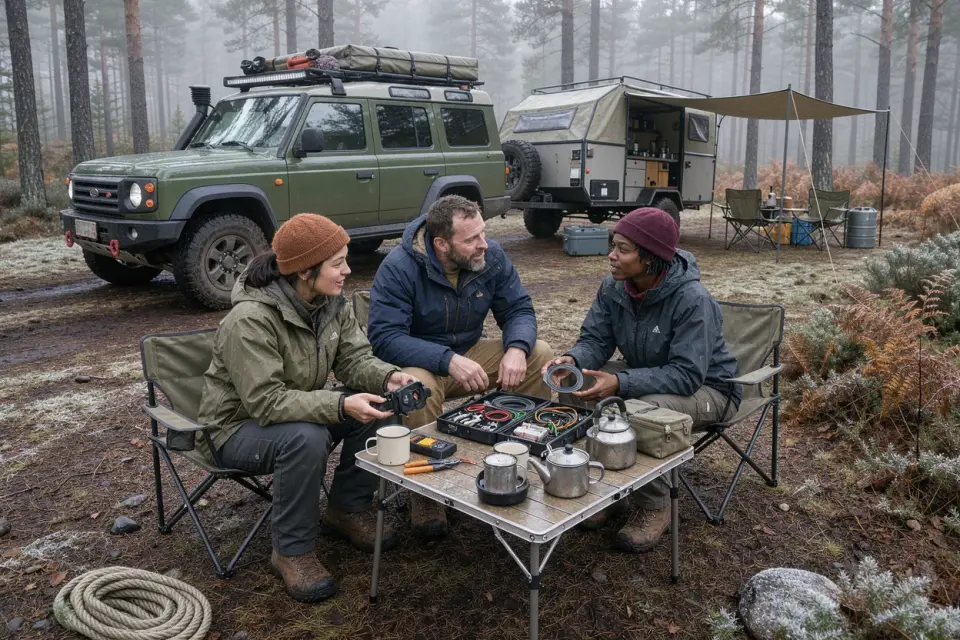
To see this decision method in practice, consider a hypothetical travelling couple planning an extended summer tour of northern Scandinavia in a modest four wheel drive estate car. Their current setup relies on a basic passive coolbox replenished with ice bags, which proved messy and difficult to sustain during previous remote trips across Scotland where shops were few and far between.
Under our framework, their needs first shortlist establishes a compact 12 volt compressor fridge as a genuine priority to preserve fresh food safely. However, evaluating the total footprint reveals that a 50 litre fridge would consume half their rear cargo floor and require a secondary auxiliary battery with split charge wiring. By applying their vehicle weight and volume budget, they decide against the largest model on promotion and instead shortlist a narrow 28 litre unit combined with an adaptable portable power station. While smaller, it solves their food preservation challenge without demanding permanent cabin modifications or exceeding their vehicle's weight envelope.
Adapting Your Strategy to Regional and Seasonal Contexts
Commercial promotions linked to November retail calendars originate largely in Northern Hemisphere trading cycles. While late November provides an opportune moment for European and North American travellers to prepare for cold weather touring or get organised for the coming spring, travel conditions vary significantly by geography.
Overlanders planning Southern Hemisphere expeditions will be entering summer peak travel periods, facing distinct heat management, dust ingress, and cooling demands. Always align your equipment shortlist with the environmental realities of your specific destination rather than generic promotional campaigns. Buying unneeded gear simply because a retail event occurs on the calendar undermines both your adventure budget and the lean, functional ethos of overland travel.
Common questions
How can I prevent impulse purchases during major seasonal sales?
Draft a strict, written shortlist at least two weeks before sales launch, based solely on logged gear failures or genuine friction points from past road trips. Commit to buying only items already documented on that shortlist, completely ignoring unlisted promotional categories.
Why is payload capacity more critical than discounted pricing for overland gear?
Exceeding your vehicle's legal gross vehicle weight rating compromises handling dynamics, lengthens stopping distances, increases trail rollover risks, and accelerates mechanical wear. No price reduction compensates for unsafe handling or trail breakdowns caused by overloading.
What hidden expenses commonly accompany off grid power and electrical upgrades?
Purchasing an auxiliary power bank or secondary battery frequently requires heavy gauge wiring, inline fuses, mounting brackets, DC DC chargers, solar charge controllers, and suitable cable glands, which can collectively add significant expense to the base hardware price.
How should Northern Hemisphere calendar events factor into global trip planning?
November promotions align with Northern Hemisphere winter preparations, but travellers heading to the Southern Hemisphere or equatorial climates face distinct environmental requirements. Tailor your shortlist strictly to your target terrain and climate rather than local retail themes.