
AI assisted editorial. Published following automated quality checks, not independent fact verification. Confirm factual, safety and legal matters with appropriate professionals.
The short answer
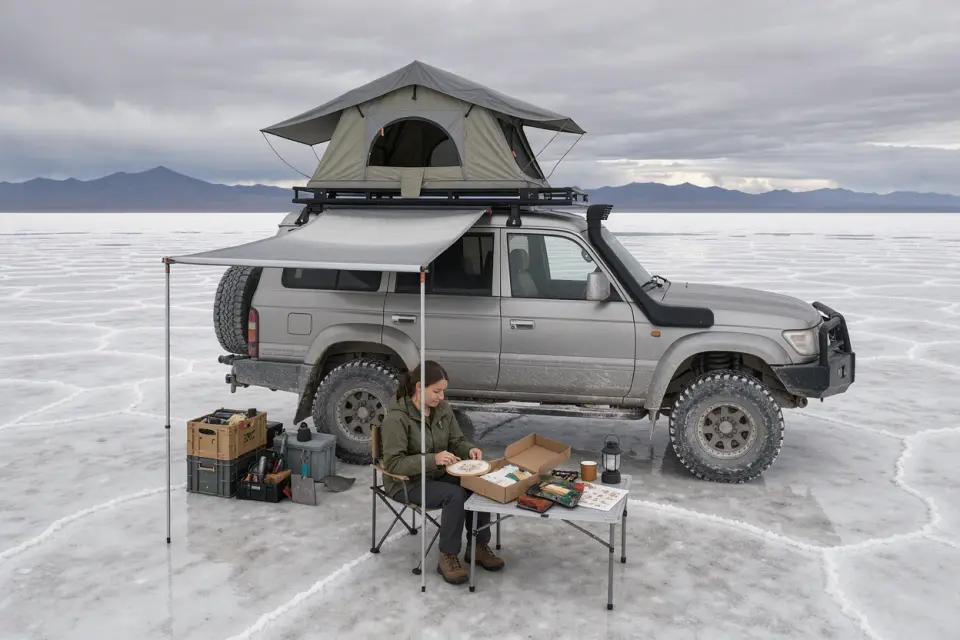
Craft kits and subscription boxes offer a structured route into making without sourcing individual components from scratch. This guide explores how to evaluate curated craft subscriptions such as Craftiosity · UK, balancing personal creative goals against material storage, workshop tools, and routine downtime between journeys.
Key takeaways
- Assess whether curated craft kits match your available tabletop space and storage footprint before subscribing.
- Verify what basic household tools are expected versus which specialised materials arrive in the package.
- Treat partner descriptions as initial overviews and evaluate kits against your individual skill preferences.
- Select modular or one off craft formats if your schedule or travel routine involves unpredictable downtime.
Understanding Curated Craft Subscriptions
Engaging in tactile hobbies provides an effective counterbalance to busy travel itineraries or screen dominated routines. For road travellers, campers, and homebodies alike, setting aside quiet time to make something functional or decorative can offer rewarding focus during rest days. However, building an extensive inventory of raw materials, adhesives, and niche tools often requires substantial storage space that mobile or compact living spaces cannot easily accommodate.
Craft subscription models aim to solve this logistical challenge by supplying self contained projects on a recurring or single box basis. Rather than purchasing entire rolls of bookcloth, litre jugs of casting medium, or complete sets of wood carving gouges, you receive the precise quantities required to finish a distinct item. This approach reduces leftover waste, limits clutter in small living quarters, and introduces crafters to mediums they might otherwise hesitate to explore.
In this guide, we examine Craftiosity · UK by Craftiosity as a partner example within the crafts and hobbies sector. According to partner supplied descriptions, Craftiosity discounts craft kits and craft kit subscription boxes designed as a creative way to slow down between adventures or serve as a thoughtful gift for a maker. We look at the practical factors you should weigh when evaluating subscription based making against traditional independent sourcing.
A Practical Framework for Assessing Craft Kits
Choosing a craft hobby system involves balancing personal patience, physical workspace, and cleanup practicality. Subscription services vary significantly in their pedagogical style, complexity, and tooling expectations. To determine whether an all in one box aligns with your routine, consider evaluating options across four essential criteria: workspace requirements, skill accessibility, project permanence, and tool independence.
Workspace requirements dictate whether a project can be completed at a modest campervan table or requires a ventilated workshop. Needlecrafts, macrame, and paper crafts generally demand minimal flat space and produce dry debris that brushes away quickly. In contrast, projects involving resins, clays, paints, or wet dyes require stable drying stations, protective surface coverings, and access to washing water.
Skill accessibility addresses the learning curve. Well designed kits typically provide structured, sequential photo guides or video tutorials that break intricate disciplines into approachable steps. If you enjoy the challenge of learning fresh hand skills without committing to multi week courses, diverse rotating boxes can be invigorating. Conversely, if you prefer mastering a single discipline over time, a generalist subscription may feel too transient.
Tool independence determines how truly self contained a kit is. While most packages include the principal decorative materials, they often expect users to supply staple household items such as sharp scissors, rulers, standard pencils, or scrap paper. Checking the baseline requirements in advance avoids stalled projects when working far from conventional high street shops.
Managing Crafts on the Move and in Small Spaces
Crafting while travelling or living in compact spaces introduces specific constraints that home based hobbyists rarely confront. Vibration during transit can dislodge fragile unfinished works, while humidity fluctuations can affect paper weights, clay drying times, and glue curing performance. Being intentional about project selection ensures your creative pursuit remains relaxing rather than cumbersome.
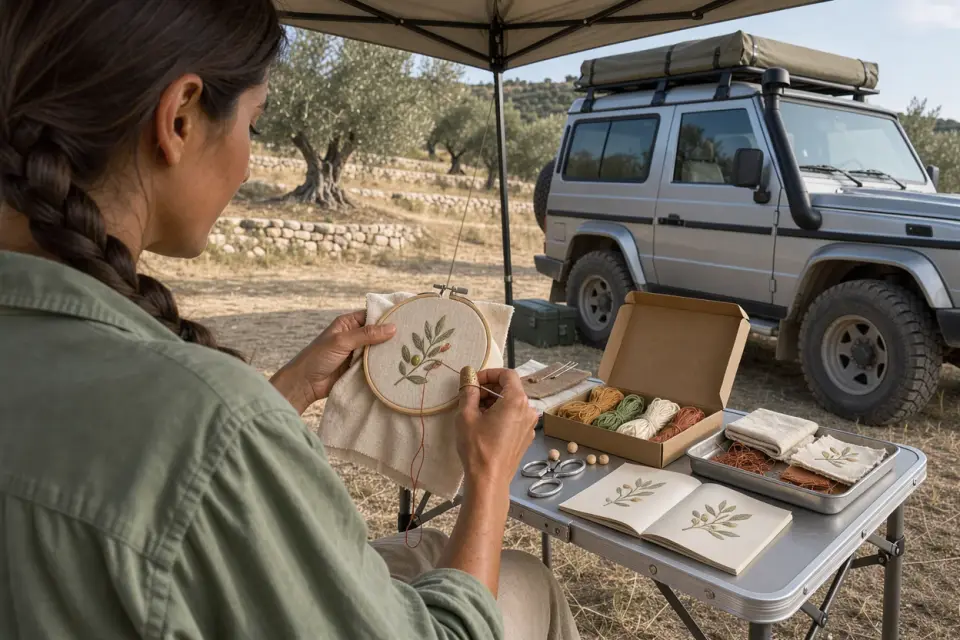
When planning craft sessions during travel downtime, favour projects with high packability and low curing sensitivity. Textiles, modern embroidery, leathercraft, and bookbinding fold or pack neatly into drawer dividers without spilling dust across living areas. If you receive a project involving wet mediums such as ceramics or fluid art, consider scheduling your build for calm weather when you can work outside or remain stationary for several days.
Disposal and storage of packaging also warrant attention. Monthly subscription formats often generate outer postal boxes and protective padding. If living on the road, consider whether you can responsibly recycle these packing materials immediately at your current stop, or whether flat packing individual supplies into clear zip pouches suits your vehicle organization better.
Questions to Ask Before Selecting a Hobby Kit
Before committing to any subscription box or craft kit vendor, ask targeted questions to confirm that the service fits your practical constraints and expectations:
1. What tools must I supply myself? Clarify whether the kit includes essential utility items like craft knives, rulers, or specialized adhesives, or if it strictly supplies project specific consumables.
2. What is the cancellation and skip flexibility? Determine whether the subscription allows you to pause deliveries when travelling or skip upcoming monthly themes that do not appeal to your interests.
3. How long does an average project take to complete? Check if projects are designed as single afternoon makes or multi stage builds requiring overnight drying or resting phases.
4. What instructions are provided? Confirm whether guidance comes as printed booklets, downloadable digital guides, or video tutorials, especially if you anticipate working without reliable internet connectivity.
5. How durable is the finished product? Consider whether the completed craft will be easy to gift, pack, or display without sustaining damage during travel.
Hypothetical Decision Example
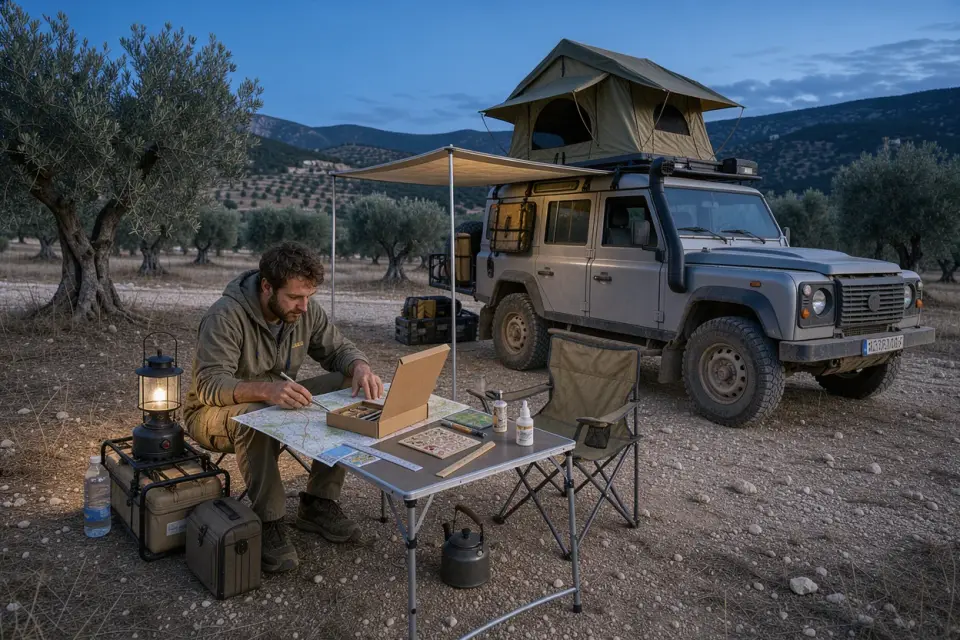
Consider Robin, an overland camper who enjoys practical handmaking but owns limited storage space inside a converted van. Robin wants a relaxing, tactile hobby to enjoy on quiet evenings between driving legs. Robin examines two distinct routes: purchasing a seasonal craft subscription box or assembling a dedicated linocut printing starter kit independently.
If Robin chooses the dedicated linocut route, sourcing carving tools, brayers, ink slabs, multiple paper packs, and cutting blocks requires significant upfront planning and dedicated storage space. Linocut carving produces small linoleum shavings that require careful sweeping, and ink cleanup demands running water and drying racks, which can strain camper resources.
Alternatively, Robin considers a curated subscription like Craftiosity · UK. The partner provided format delivers rotating, self contained projects designed to slow down between journeys. In this scenario, Robin receives measured materials for one project at a time, such as punch needle or decorative binding, completes it across two quiet evenings, and gifts the finished item or packs it flat without retaining redundant raw materials. For Robin, the curated box model provides diverse creative engagement without accumulating permanent equipment clutter.
Common questions
Can craft kits be completed without prior experience?
Most commercial craft kits are explicitly structured for beginners, featuring step by step guides and pre measured materials. However, individual difficulty varies between mediums, so it is sensible to review whether tutorials are included before purchasing.
How do craft subscriptions work during travel?
Subscription boxes are typically posted on recurring dates to a fixed address. If you travel frequently, look for providers that allow flexible delivery pausing, or arrange deliveries to a stable parcel collection point along your planned route.
What basic supplies should I keep on hand for craft boxes?
Even all in one boxes often assume access to basic household utility tools. Keeping a small pencil case with a metal ruler, sharp paper scissors, a craft knife, and scrap paper ensures you can start projects immediately.
Partner discounts in this guide
Overland Finds may earn a commission from qualifying UK purchases made through this link, at no additional cost to you. This does not imply independent product testing or endorsement. Confirm current terms and availability with the partner.

Craftiosity · UK
Discover craft kits and craft kit subscription boxes from Craftiosity, a creative way to slow down between adventures or a thoughtful gift for a maker.
- Valid in
- UK
- Discount
- UK offer · Shop craft kits