
AI assisted editorial. Published following automated quality checks, not independent fact verification. Confirm factual, safety and legal matters with appropriate professionals.
The short answer
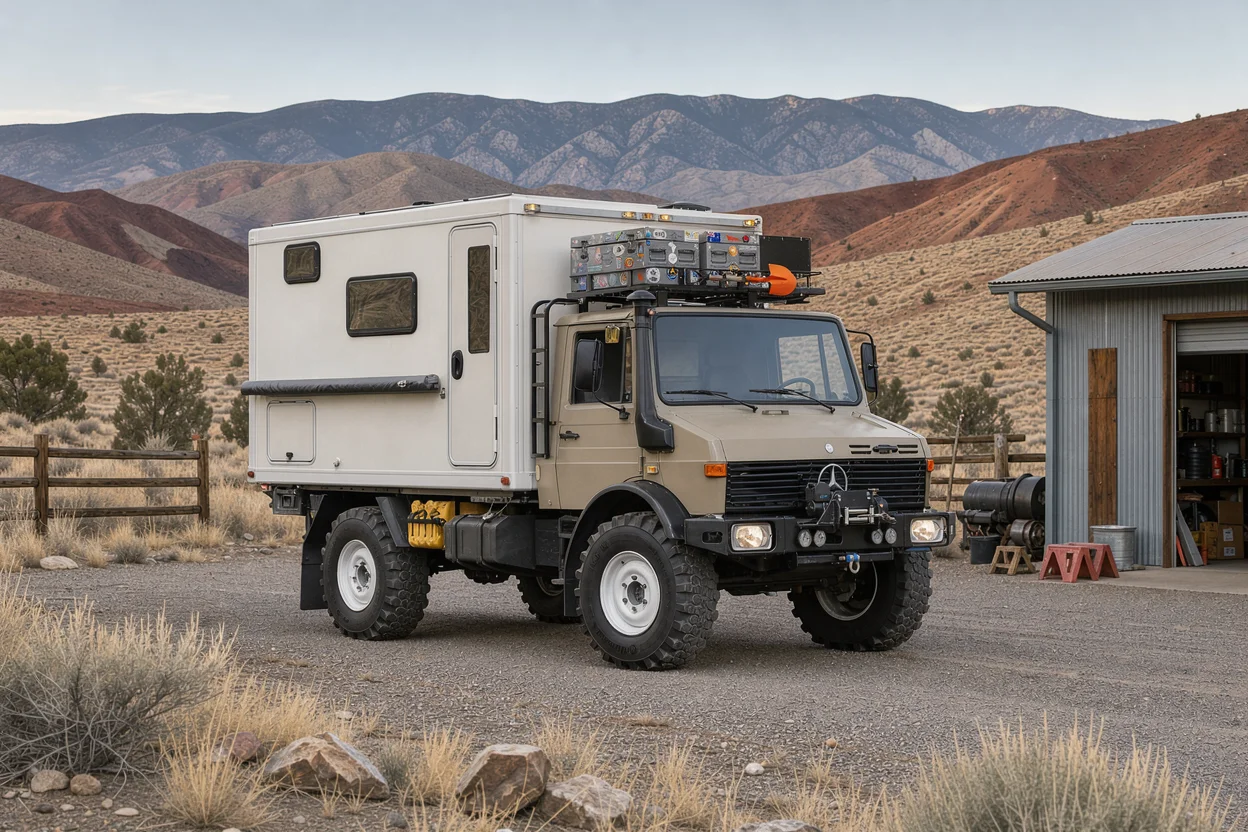
When evaluating a used Unimog camper, your primary focus should be on chassis condition, subframe articulation mounting, driveline maintenance records, and cab drivability rather than interior amenities. Habitation boxes can be modernised easily, but resolving portal axle issues, rust, or an incorrectly engineered mounting system involves specialised engineering and considerable expenditure.
Key takeaways
- Prioritise the mechanical soundness of the driveline and portal axles over the visual condition of the habitation box.
- Verify the subframe mounting arrangement to ensure the camper body allows full chassis articulation off tarmac without transferring torsional stress.
- Assess driving ergonomics and realistic road speeds against your planned overland travel style and daily driving distances.
- Review comprehensive maintenance logs, as specialist commercial vehicle components require regular, expert upkeep.
Chassis Integrity and Articulation Subframes
The defining feature of a Unimog is its flexible ladder frame, designed to twist substantially over uneven ground to maintain tyre contact. Because of this intentional chassis flex, the camper box cannot simply be bolted directly to the chassis rails like a conventional utility body. It requires a dedicated intermediate subframe, typically utilising a three point or four point pivot mounting system that isolates the living quarters from extreme torsional forces.
When inspecting a pre owned vehicle, closely examine the pivot mounts, rubber or polyurethane bushings, and dynamic stops for signs of binding, excessive wear, or stress cracking. A poorly engineered or neglected subframe can transmit twisting forces directly into the habitation box, resulting in structural delamination, fractured composite panels, and jammed access doors.
In addition to the subframe pivots, inspect the entire chassis frame for heavy corrosion, non factory structural welding, and unapproved drilling into the chassis flanges. Vehicles converted from agricultural, municipal, or airport snow clearing backgrounds often carry persistent corrosion in hard to reach recesses due to heavy chemical exposure or road salt.
Driveline Provenance and Running Gear
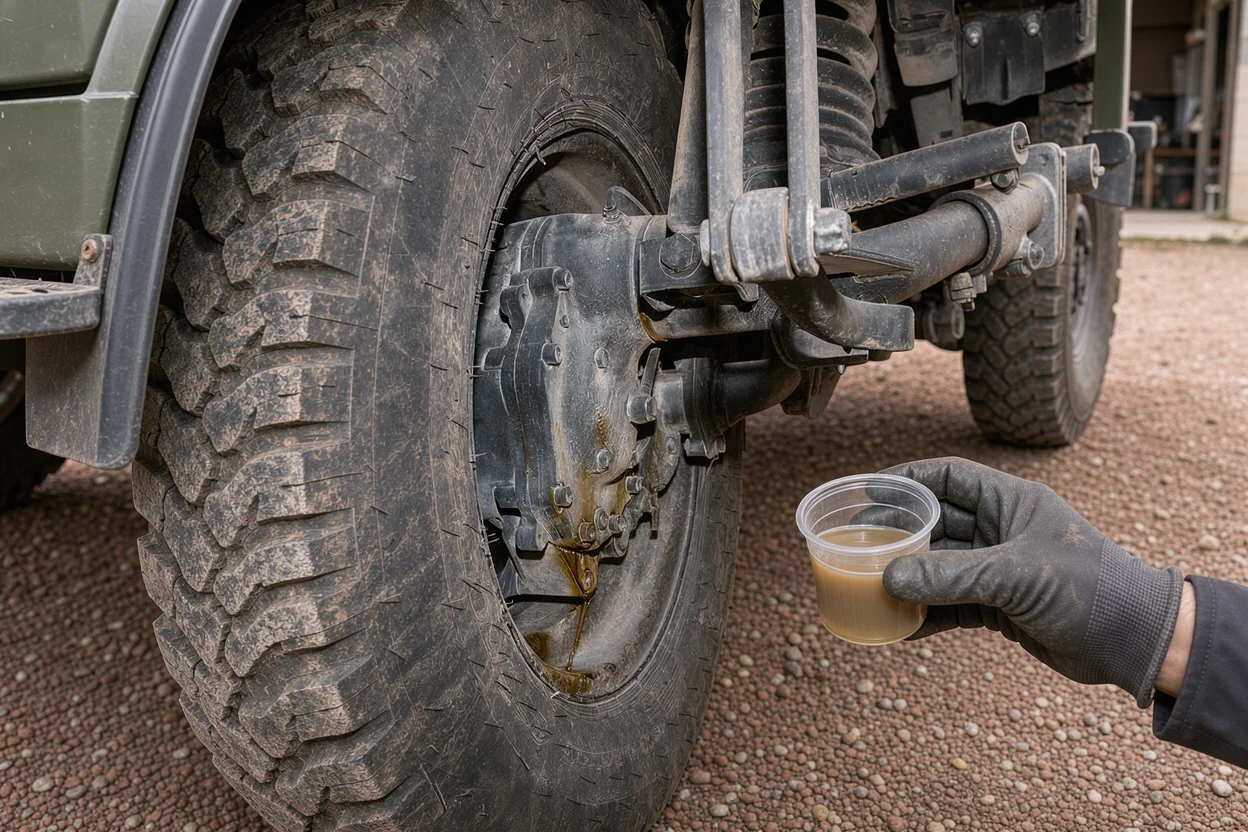
Unimogs employ complex driveline systems featuring portal axles, torque tubes, and multi ratio transmissions. The portal hubs raise ground clearance by placing the axle shafts above the wheel centres, using reduction gears at each wheel. These gearboxes operate under significant load and heat, making regular lubricant changes and seal replacements essential.
Examine each portal hub and wheel flange for signs of active oil leaks, cracked casings, and contaminated fluid. Request documented evidence detailing when hub, gearbox, and axle oils were last sampled or drained. Low fluid levels or milky oil indicate seal failures, water ingress, or internal gear wear, all of which require specialised heavy commercial tooling to repair.
The transmission and pneumatic shift controls also warrant careful evaluation during static and operational checks. Pneumatic shifting systems rely on dry, clean compressed air; moisture in the pneumatic lines can cause slow gear selection or sticking range splits. Ask the vendor about past valve replacements, air dryer servicing, and clutch adjustments.
Cab Ergonomics and Long Distance Usability
Prospective buyers frequently underestimate the physical demands of piloting a heavy, utility derived forward control vehicle over long touring days. Factory cabs prioritise utilitarian service access and all round visibility on worksites rather than whisper quiet motorway transits. Sound insulation, seating comfort, and thermal management in the cab determine daily fatigue levels.
Note the presence of aftermarket acoustic insulation, air suspended seats, and modern climate control systems. Upgrades of this nature substantially improve long haul overland comfort. Conversely, a vehicle retaining bare steel floors and standard commercial seating may prove exhausting over extensive road sectors before reaching remote destinations.
Consider vehicle dimensions and weight limits realistically. A fully outfitted camper often approaches commercial heavy vehicle weight classes, which can affect licensing requirements, road access regulations, bridge limits, and toll categories across different countries. Ensure the vendor provides verified unladen and gross weight figures from a certified weighbridge.
Habitation Construction and Off Grid Systems
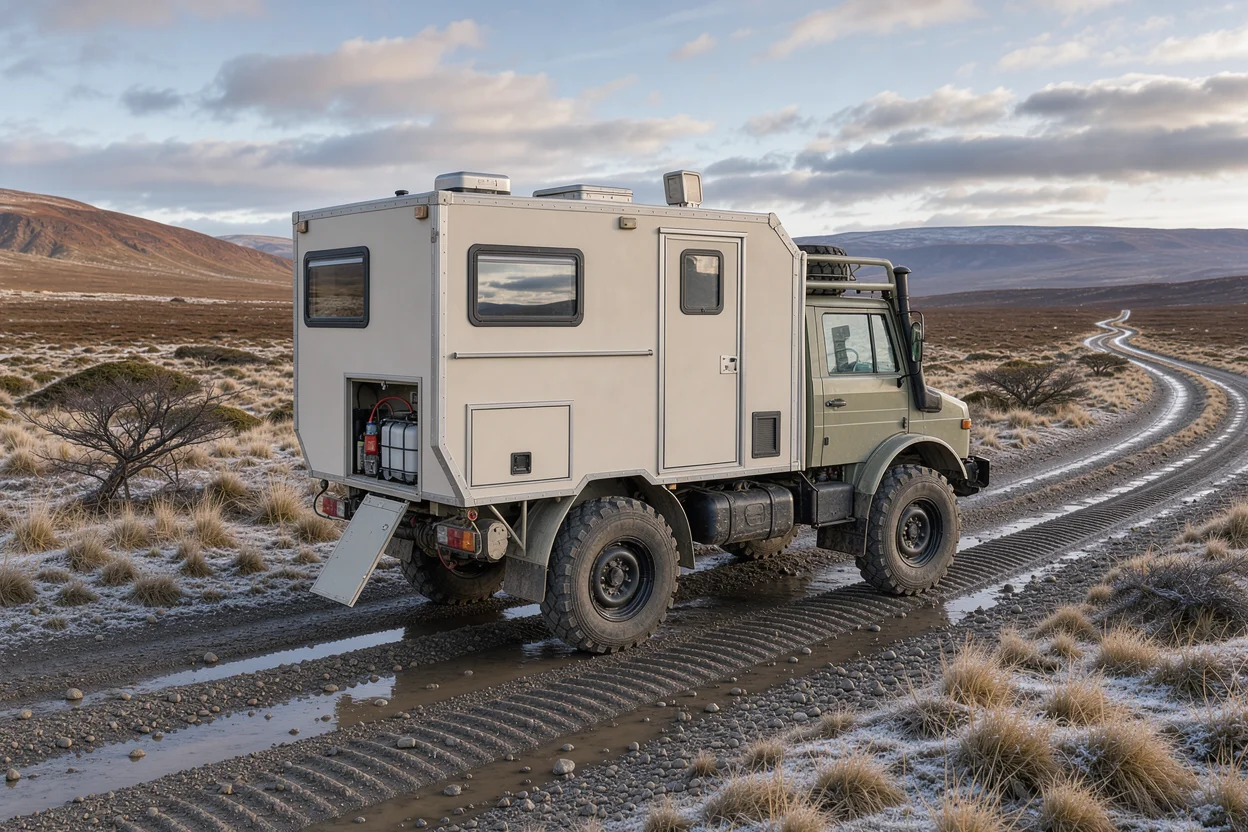
The habitation box must withstand both rough washboard roads and substantial temperature swings. Insulated composite sandwich panels (such as polyurethane or closed cell foam with fibreglass skins) provide good thermal performance and resist moisture rot. Look for signs of water ingress around roof cutouts, windows, and junction seams between walls and floor.
Assess the integration of electrical, water, and heating utilities. Heavy internal components, such as freshwater reservoirs, battery banks, and spare wheels, should be mounted as low and as centrally as possible to preserve the vehicle's centre of gravity and handling stability. Inquire about the age, capacity, and service history of the electrical storage systems and heating units.
Practical Evaluation Framework and Seller Inquiries
To objectively compare candidate vehicles, evaluate them across four distinct criteria: Chassis Provenance (service history, corrosion status, subframe design), Mechanical Condition (portal hubs, pneumatic integrity, oil analysis), Cab Livability (noise reduction, air conditioning, seating), and Habitation Quality (structural panel health, systems layout, weight distribution).
Direct questions to ask the vendor include: Can you provide certified weighbridge slips detailing current unladen axle weights? What type of subframe decoupling arrangement is fitted, and when were the pivot joints last serviced? What was the original commercial or military application of the chassis prior to camper conversion? Are full fluid change logs available for the portal hubs and transmission over the last five years? What is the verified comfortable cruising speed on level motorways?
Hypothetical Decision Example
Consider a hypothetical buyer, Alex, who is choosing between two used options: Vehicle A, an older municipal conversion with low chassis mileage, a basic camper interior, but visible hub weeping and unverified subframe engineering; and Vehicle B, an older chassis with higher mileage, documented portal rebuilds, an engineered three point torsion subframe, and a worn internal living space.
Alex intends to undertake transcontinental overland journeys across mixed gravel and tarmac. Choosing Vehicle B represents the lower long term risk. While Vehicle B requires domestic cosmetic refurbishment, its structural decoupling and verified running gear protect against catastrophic mechanical failure in remote regions. Vehicle A risks expensive driveline overhauls and living box cracking despite its fresher cosmetic appearance.
Common questions
What is the primary danger of a poorly mounted camper box on a Unimog?
Because the Unimog chassis is designed to flex torsional forces off road, a camper box mounted without a proper pivot or torsion isolation subframe will absorb that chassis twist directly. This can quickly crack the composite structure, delaminate panels, shatter window fittings, and twist structural entry doors.
How do portal axles affect routine servicing and ownership costs?
Portal axles contain additional gear sets and seals at each wheel, requiring frequent lubricant checks and specialized fluid changes. If portal seals fail or oil levels run low, internal gear wear can become severe, leading to expensive specialist repairs compared to conventional beam axles.
Why is certified weighbridge documentation crucial before purchasing?
Many overland conversions carry heavy water storage, recovery gear, and reinforced bodywork that consume payload reserves. Weighbridge certificates confirm that the camper remains legally within its gross vehicle weight rating when fully provisioned for travel.
What previous chassis roles present higher corrosion risks?
Chassis sourced from municipal winter maintenance, snow clearing, or agricultural operations often have extensive road salt or chemical exposure. This can lead to deep seated frame rust, seized brake mechanisms, and corroded electrical connectors that are difficult and costly to remediate.