
AI assisted editorial. Published following automated quality checks, not independent fact verification. Confirm factual, safety and legal matters with appropriate professionals.
The short answer
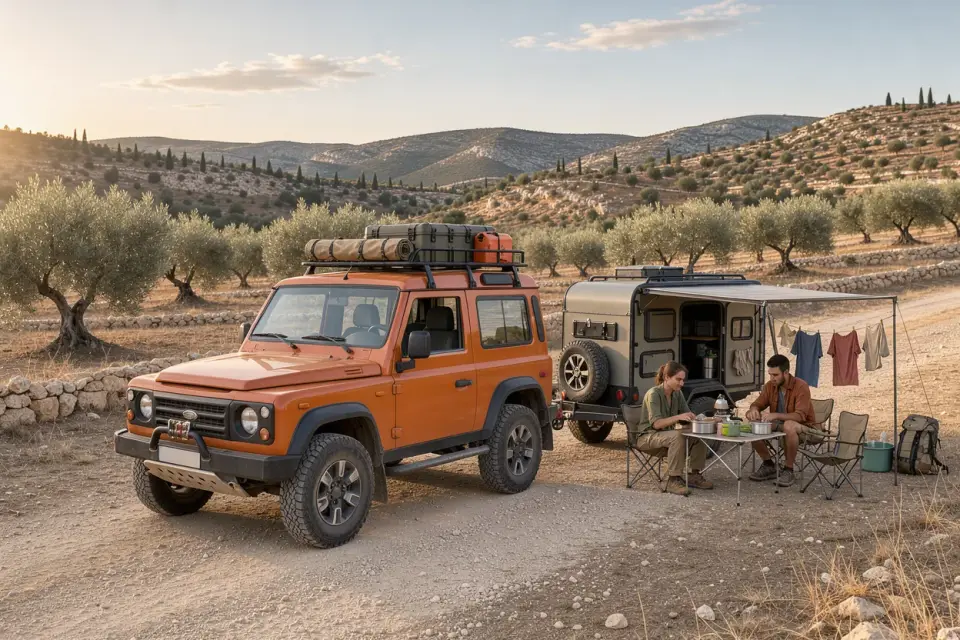
Rest days on an overland trip are not lost travel time; they are intentional pauses that transform a relentless driving routine into a sustainable adventure. By staying put for two or more nights, overlanders create breathing room for domestic chores, unhurried exploration on foot, and genuine connection with surroundings without sacrificing momentum or missing key route highlights.
Key takeaways
- Adopt a two night baseline at key camps to eliminate daily setup friction and enjoy unhurried exploration.
- Select pitches with walking access to trails or villages to leave your vehicle fully deployed while you explore.
- Use non driving days to tackle laundry, vehicle housekeeping, and slow cooking at a gentle, self directed pace.
- Recognise that travel capacities vary between individuals; seek advice from a qualified healthcare professional for persistent fatigue.
The Rhythm of Overland Travel: Why Pauses Matter
Vehicle based travel creates a unique kind of sensory immersion. Long hours at the steering wheel, managing rough tracks, navigating border posts, and monitoring vehicle temperatures require constant vigilance. When every single day involves stowing roof tents, securing loose storage boxes, and hunting for a fresh pitch before nightfall, transit can quickly begin to feel like a checklist rather than a rewarding journey.
Deliberately scheduling non driving days does not mean cutting your overland ambitions short. Rather, an unhurried stop shifts the texture of your travels. By letting your rig stay parked under a copse of trees or beside an alpine meadow, you exchange vehicle maintenance vigilance for quiet observation. You notice the shift in light across a ridgeline, the habits of local wildlife, and the greeting of a passing farmer.
Overlanding thrives on curiosity, but curiosity requires mental space. Setting aside dedicated rest periods allows you to digest the landscapes you have crossed, read about local history, and rediscover the joy of lingering without watching the dashboard clock.
Selecting the Ideal Pitch for an Overland Layover
Not every campsite or wild pitch suits an extended stay. A narrow roadside layby or an exposed gravel turn out might serve adequately for an eight hour sleep, but a multi night rest day demands practical liveability. You need an environment where you can comfortably deploy awnings, arrange camp chairs, and spend waking hours outside the cabin without feeling exposed or hemmed in.
When scouting spots for a layover, look for places that reduce vehicle reliance. A pitch situated within walking distance of a village bakery, a freshwater stream, or a network of marked footpaths means you can venture out without breaking down your camp setup. Having to pack away your rooftop tent just to fetch bread or explore a scenic viewpoint defeats the purpose of a stationary day.
Practical amenities also influence pitch suitability. Access to reliable water points makes hand washing laundry and topping up onboard tanks effortless. Shade from established trees keeps the cabin cooler during warm spells, reducing fridge power draw and making outdoor reading or journaling genuinely relaxing.
Overland Itinerary Strategy: A Practical Comparison Framework
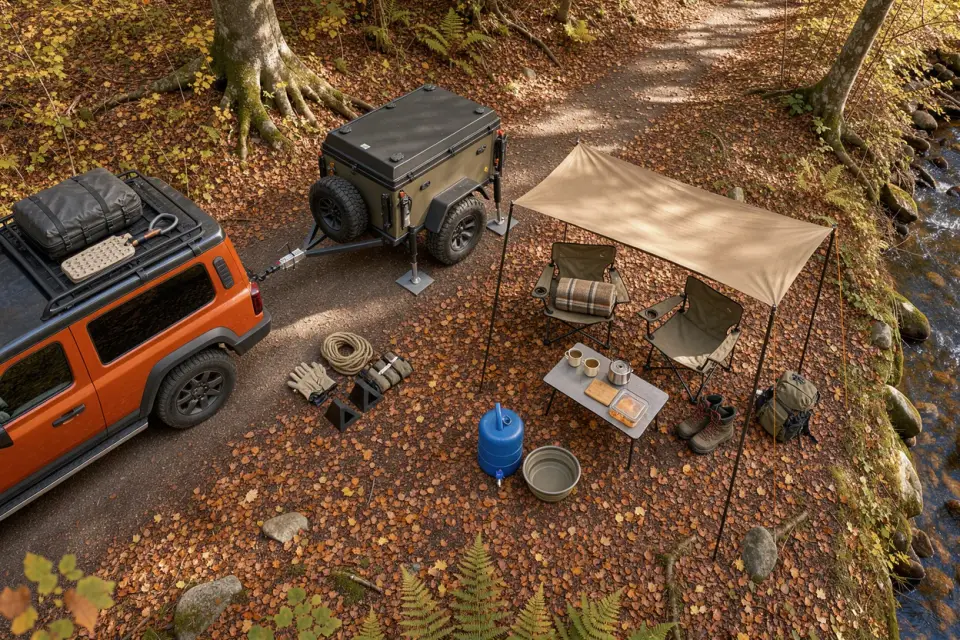
Balancing route progress against camp stillness is a central tradeoff in trip design. Deciding when to push forward and when to drop anchor can be guided by comparing three common overland travel cadences:
The Rolling Daily Move: Driving two to four hours every single day, pitching in a new location every evening. This approach maximises geographical ground covered and landscape variety. The operational tradeoff is high setup friction: awnings, groundsheets, and kitchen kits must be assembled and packed down daily, leaving virtually no free daylight for unstructured domestic time or village wanders.
The Two Night Layover: Pausing for two consecutive nights every three or four driving days. This strategy keeps forward progress steady while introducing an entire day where the vehicle remains switched off. Setup happens once, followed by a full middle day dedicated to laundry, gentle walks, and slow outdoor meals, before packing down the following morning.
The Basecamp Hub: Remaining in a central, well equipped location for four to seven nights, using foot travel, public transit, or unladen day loops to explore the region. This rhythm discounts the highest degree of community connection and domestic order, significantly reducing packing fatigue, though it requires sacrificing deep linear mileage.
Questions to Ask Hosts and Landowners Before Booking a Layover
When arriving at an eco campsite, farm stay, or private land holding where you plan to stay stationary for several days, asking clear questions upfront helps avoid mid stay frustration. Consider asking the following:
Is there a designated pitch that allows outdoor gear, awnings, and washing lines to remain deployed continuously without impeding farm machinery or campsite traffic?
Can we access potable water taps for filling our onboard Jerry cans and washing our clothes by hand, and is there an approved grey water disposal area nearby?
Are there direct footpaths or trailheads starting straight from the boundary of the property, avoiding the need to drive onto the main road for an afternoon walk?
What are your quiet hours and generator policies, especially if we need to run portable power stations or if nearby work starts at dawn?
Hypothetical Decision Example: The Mountain Pass Dilemma
Consider this labelled hypothetical decision scenario: An overlander named David is travelling through northern Spain in a converted 4x4 camper. He has six days remaining before he must head towards the ferry terminal. He faces two distinct itinerary options for the week ahead.
Option A represents the rapid progress route: driving across four high mountain passes over five days, covering 750 kilometres. This plan allows David to photograph multiple famous viewpoints, but it requires four separate evening camp setups, evening arrivals, early departures, and daily meal preparation out of pre packed travel boxes.
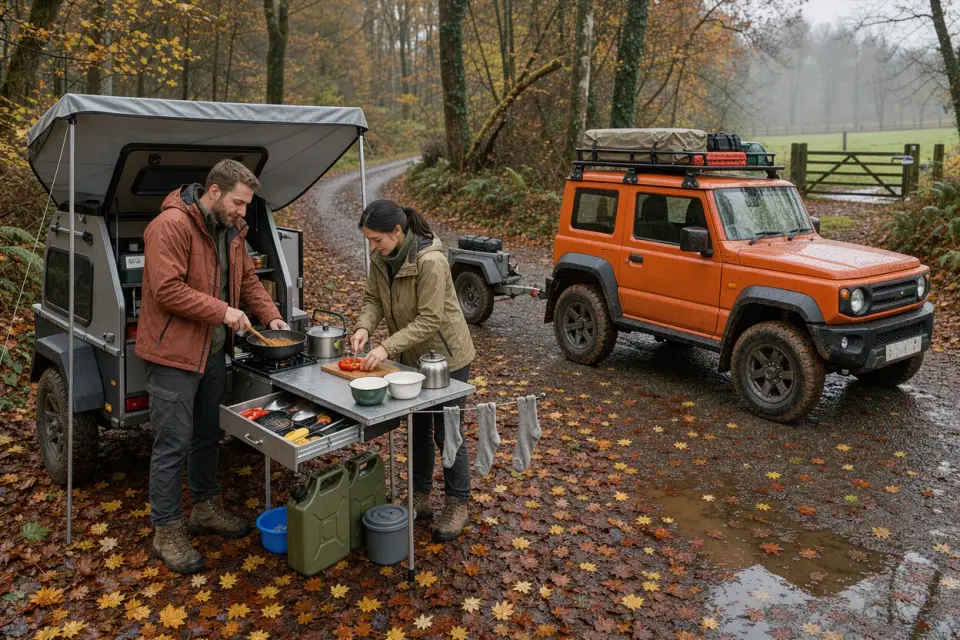
Option B represents the structured rest rhythm: driving 250 kilometres directly to a quiet valley farm campsite, staying four nights, and completing one final relaxed driving day to the port. During the three stationary days, David completes a substantial backlog of hand washing, walks local shepherd trails directly from the campsite, shops for fresh vegetables in the nearby village square, and prepares batch stews on his twin burner camp stove.
David weighs his priorities. Feeling saturated by days of winding mountain hairpins, he chooses Option B. By eliminating daily pack downs, he returns to the road refreshed, having developed an authentic appreciation for a single valley rather than viewing four mountain passes through a windscreen.
Everyday Wellbeing and Practical Cadence on the Road
Sustaining energy on prolonged overland expeditions relies heavily on everyday, unpretentious habits. Integrating regular movement breaks every couple of hours behind the wheel eases physical stiffness. Taking twenty minutes to walk around a quiet rest stop, stretch your legs, and step away from road noise keeps concentration sharp and makes driving shifts feel less taxing.
Camp cooking during rest days provides another pleasant anchor. Slow simmering a pot of lentils, chopping seasonal vegetables bought from a roadside stand, and sharing a table with fellow campers brings warmth and routine to vehicle life. Similarly, preserving a regular bedtime habit settling in with a book rather than glowing screens, and letting the natural sunset guide your evening wind down helps keep body rhythms predictable across changing environments.
Every traveller experiences road travel differently, with unique stamina and personal physical thresholds. It is wise to adapt your overland pace to your own comfort rather than conforming to rigid mileage targets. Remember that lifestyle adjustments on the road are matters of practical travel preference; any persistent tiredness, pain, or health concerns should always be discussed with a qualified healthcare professional.
Common questions
How often should an overlander plan a full rest day?
A practical baseline used by many vehicle travellers is scheduling one stationary day for every three to four days of steady driving. However, trip duration, terrain difficulty, and individual comfort levels vary, so adjust your frequency based on how enjoyable and sustainable your pace feels.
What domestic tasks are easiest to handle during an overland rest day?
Stationary days are ideal for washing and air drying clothing, wiping down vehicle dust seals, sorting food lockers, replenishing water tanks, and deep cleaning the camp kitchen without having to rush before sunset.
Can rest days help me connect more with local communities?
Yes. Staying stationary allows you to visit local markets, dine at small rural eateries, and walk local footpaths where you naturally meet residents and fellow travellers, interactions that rarely happen while driving past at speed.
What should I do if taking rest days does not relieve my ongoing travel fatigue?
While structured rest days make camp life more relaxed, persistent fatigue, discomfort, or exhaustion may stem from underlying factors. If adjusting your pace does not help, seek assessment and guidance from a qualified healthcare professional.