
AI assisted editorial. Published following automated quality checks, not independent fact verification. Confirm factual, safety and legal matters with appropriate professionals.
The short answer
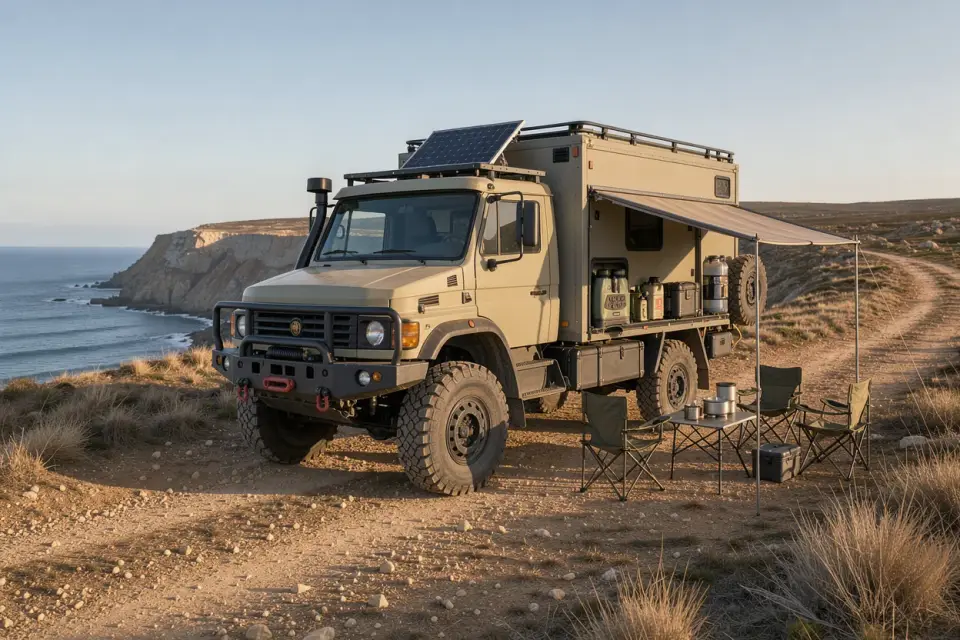
Night vision gear, thermal devices, and trail cameras offer overlanders a practical way to monitor camp surroundings, detect curious wildlife, and navigate dark terrain safely. This guide covers how to assess your power, optical range, and environmental needs, using WILDGUARDER as an example brand.
Key takeaways
- Match device display tech digital infrared versus thermal imaging to whether you want camp awareness or detailed animal observation.
- Evaluate your overland rig power capacity and charging methods before purchasing battery hungry electronic optics.
- Verify weather resistance, ingress ratings, and physical storage space inside your overland vehicle setup.
- Check cross border regulations and local restrictions regarding night vision and thermal optics before setting off on long expeditions.
Why Night Optics Matter for Vehicle Based Adventure Travel
Setting up camp after dusk is a regular part of life on the road. Whether dispersed camping in remote forests or resting in open desert tracks, ambient light quickly drops to zero. Night vision and trail optics bridge the gap between bright rig spotlights and quiet observation.
Relying solely on vehicle mounted light bars can blind you to surroundings outside the immediate beam, scare off local fauna, or draw unwanted attention. Compact handheld or trail mounted optical equipment gives overlanders situational awareness around the perimeter of their vehicle without illuminating the whole valley.
Evaluating Optics in Camp: WILDGUARDER as a Partner Example
Partner brand WILDGUARDER discounts a range of night vision binoculars, thermal monoculars, rangefinders, and trail cameras marketed for wildlife observation and night exploration. These product categories illustrate the practical options available for vehicle travel.
Trail cameras can be fixed near your vehicle perimeter or remote trail tracks to observe nocturnal wildlife without interrupting camp peace. Handheld monoculars or binoculars allow you to assess curious noises or distant track obstacles directly from your roof tent or cabin. Always verify current brand specifications directly from the manufacturer to ensure a model matches your travel habits.
Key Selection Criteria: Digital IR versus Thermal Systems
Choosing between digital night vision and thermal optics is one of the most critical decisions for life on the road. Digital night vision relies on ambient light amplified by infrared illuminators. These systems provide identifiable visual details of people, fences, and vehicles, but their detection distance is restricted by the power of the built in illuminator.
Thermal optics, in contrast, pick up heat signatures regardless of ambient illumination or light foliage. They excel at quickly alerting you to an animal or person approaching your rig in dense woodland. However, thermal systems generally yield lower fine detail clarity and typically require a higher budget. Balancing detection speed against visual identification will steer your purchase.
Practical Comparison Framework for Overland Travellers
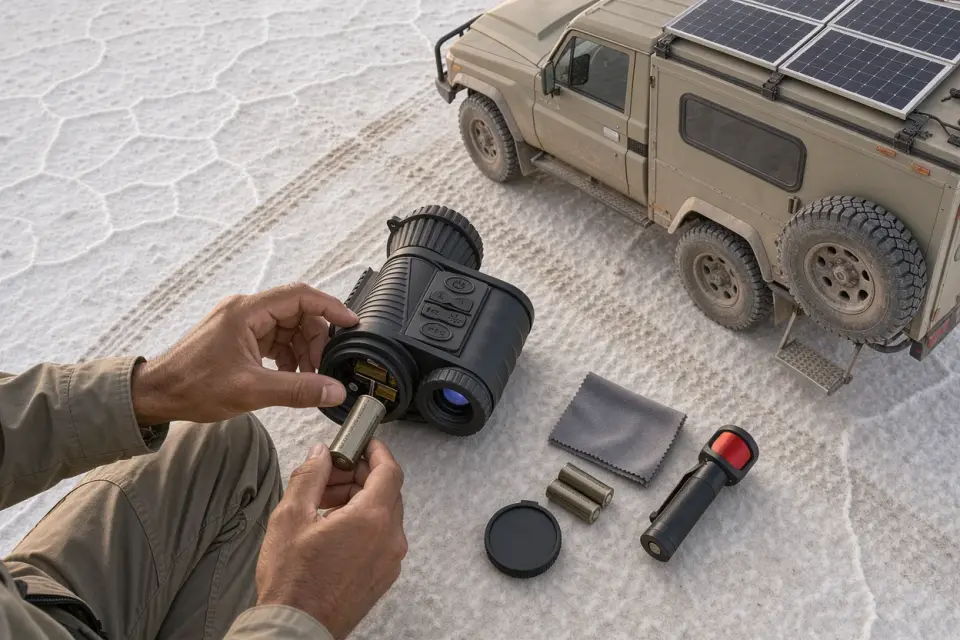
Power Management: Overlanders must consider how a device draws power. Built in lithium cells charged via USB are convenient if you have an auxiliary battery bank or solar setup inside your rig. Replaceable standard cells (like AA or 18650) avoid vehicle wiring dependencies, letting you swap spares instantly in the field.
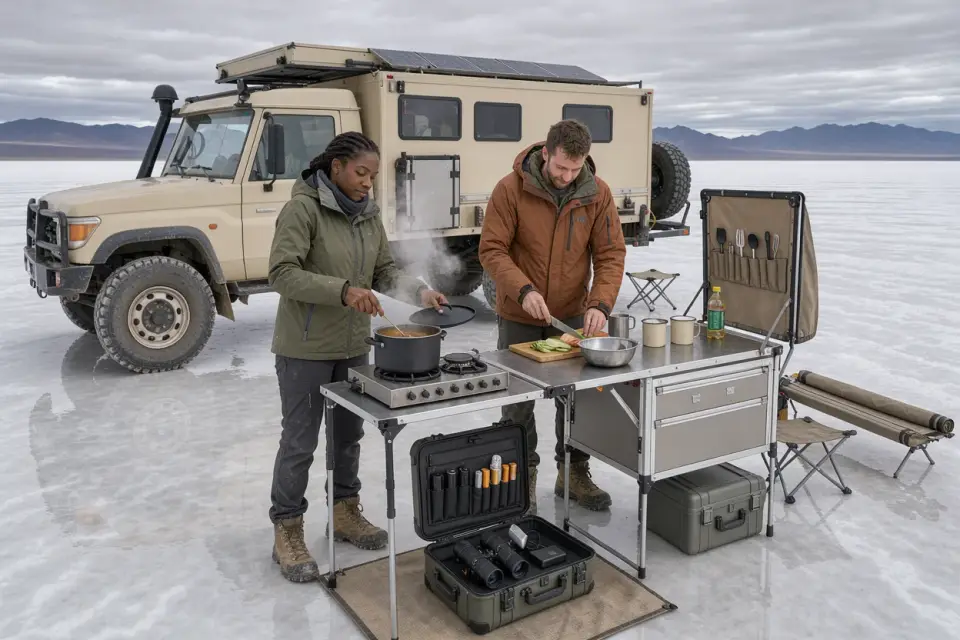
Durability and Packing: Vehicle storage drawers, gloveboxes, and roof racks subject sensitive gear to vibration, dust, and temperature swings. Check ingress protection ratings (such as IP65 or higher) and invest in protective, padded cases suited for rugged overland tracks.
Field Ergonomics: When stepping outside your roof tent in freezing temperatures, operating complicated button menus with gloved hands can prove frustrating. Favour devices with tactile controls, broad rubberised grips, and rapid startup times.
Questions to Ask Sellers Before Purchasing
What is the effective detection distance versus positive identification distance under zero ambient light?
Does the unit charge via modern standard USB connections, and can it operate while plugged into an auxiliary 12V power supply?
What is the official ingress protection rating against heavy dust ingress and driving rain?
Are spare battery caps, eye cups, and lens covers readily available if lost on a rugged expedition?
Hypothetical Decision Example: Remote Bush Camping
Consider an overland couple travelling through remote woodland tracks across seasonal terrain. Their primary concern is identifying whether rustling near the rear tyre carrier is a curious scavenger or wandering livestock, without shining high output camp lights that disrupt campsite peace.
In this scenario, a compact handheld digital night vision binocular or monocular with an integrated IR illuminator provides clear target recognition at close camp range. It charges directly from their drawer system USB outlets during daily driving, offering practical camp monitoring without the cost and specialised calibration of a high end thermal device.
Common questions
Are there legal restrictions on carrying night vision optics across borders?
Yes. Certain jurisdictions classify military spec night vision or thermal scopes under strict export and import controls. Always research local national park regulations and border crossing laws along your overland route before packing night vision devices.
Can I power digital night vision devices directly from an overland vehicle?
Many modern digital devices support USB C or micro USB charging from standard 12V camp power banks. Ensure the device accepts charging during active use if you intend to run it continuously overnight.
How do trail cameras fit into an overland vehicle setup?
Trail cameras can be strapped to a nearby tree or roof rack bracket to passively record wildlife movements around your campsite overnight without consuming your rig's primary leisure battery system.
Partner discounts in this guide
Overland Finds may earn a commission from qualifying purchases made by USA users through this link, at no additional cost to you. This does not imply independent product testing or endorsement. Confirm current terms and availability with the partner.

WILDGUARDER · USA
Discover night vision binoculars, thermal monoculars, rangefinders and trail cameras from WILDGUARDER for wildlife watching and nights outdoors.
- Valid in
- USA
- Discount
- USA offer · Shop night vision and trail cameras