
AI assisted editorial. Published following automated quality checks, not independent fact verification. Confirm factual, safety and legal matters with appropriate professionals.
The short answer
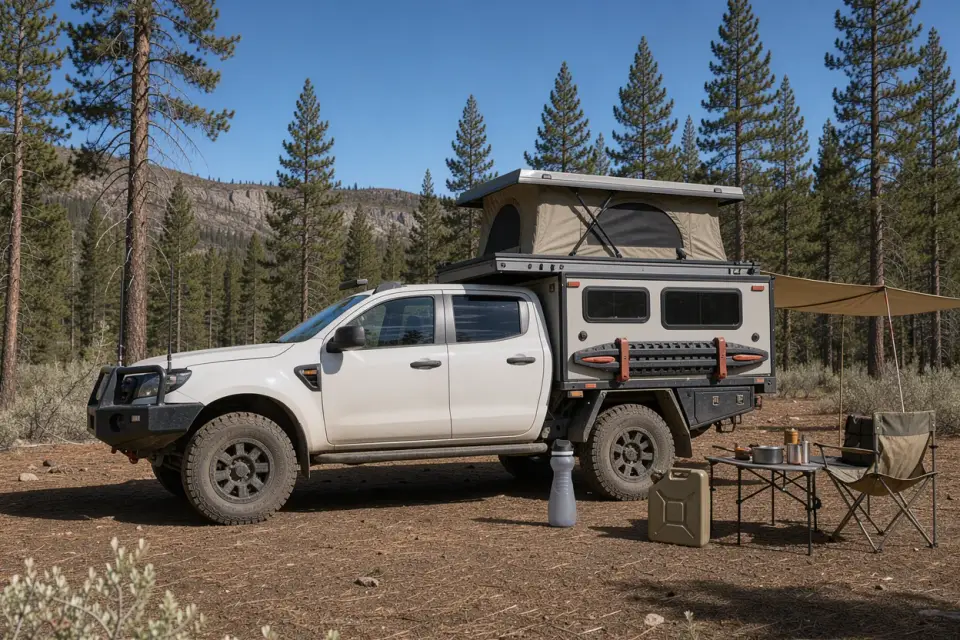
Reliable drinking water is fundamental to vehicle based adventure travel. While onboard tanks and jerry cans handle bulk water storage for camp duties, personal filter bottles offer flexible, on the go purification when exploring away from the vehicle or drawing from unverified taps at remote filling points.
Key takeaways
- Differentiate bulk water storage for camp cooking and washing from portable point of use filtration needed during day hikes away from the rig.
- Factor replacement cartridge lifespans and availability into your itinerary before setting off on long distance overland routes.
- Verify manufacturer claims regarding specific contaminants, flow rates, and pre filtration requirements for sediment heavy sources.
- Inspect bottle durability, leak resistance, and ergonomics to ensure the unit survives life in a vibrating vehicle cab or loaded rucksack.
Water Management in Overland Travel
Setting up a reliable water system is one of the first logistical hurdles any overland traveller faces. Whether you are living out of a converted 4x4, touring with an off road camper trailer, or wild camping in remote woodland, water needs fall into two primary categories: bulk storage and point of use consumption. Bulk storage usually consists of built in fresh water tanks, rotomoulded jerry cans, or flexible bladders. These reservoirs supply the volume required for camp cooking, dishwashing, and vehicle hygiene, but keeping large volumes sterile over weeks on the road requires vigilance.
Relying entirely on bulk vehicle storage can be limiting once you step away from camp. Overlanders frequently leave their vehicles behind for trail running, mountain walks, or exploring regional towns where local tap water quality may be uncertain. Carrying a dedicated personal filtration bottle bridges this gap seamlessly. It allows you to scoop water from a remote mountain stream or top up from a questionable filling station tap without needing to treat an entire 70 litre vehicle tank with chemical tablets.
Integrating a portable filter bottle into your vehicle setup also provides vital redundancy. Mechanical water pumps can fail, hoses can crack over washboard corrugations, and bulk tanks can occasionally suffer contamination from an accidental bad fill. Having an independent, personal purification method stowed securely in the vehicle cab guarantees you always have immediate access to safe drinking water, no matter what happens to your primary onboard plumbing.
Practical Comparison Framework for Overland Filtration
Choosing water treatment equipment requires matching mechanical capabilities against your style of overland travel. A practical way to evaluate options is to compare personal filter bottles, inline vehicle filters, and gravity camp bags across four criteria: portability, flow rate, complexity, and maintenance overhead.
Inline systems plumbed directly into a vehicle offer unmatched convenience at the camp sink. You turn on the 12 volt tap and receive filtered water instantly. However, they are completely static; they cannot accompany you on a ridge walk, and they require regular system sanitisation, pressurised plumbing, and steady electrical power to function.
Gravity bags excel at processing high volumes of water for group camps without manual effort. You hang the dirty bag from a roof rack or awning arm and allow gravity to draw water through a hollow fibre cartridge into a clean vessel. The trade off is setup time, bulk, and the need for an elevated hanging point, making them awkward for quick hydration breaks while driving or exploring on foot.
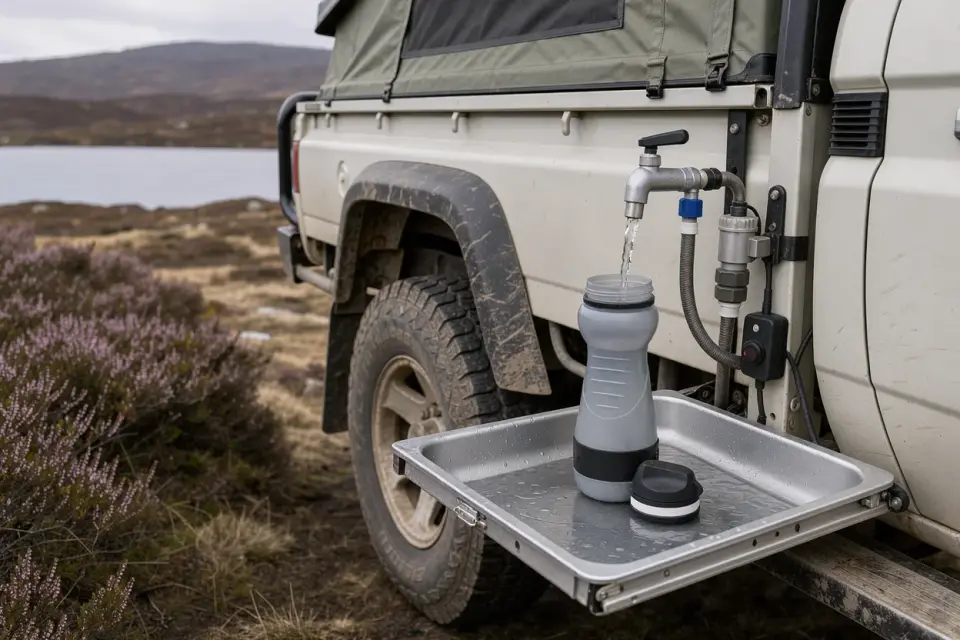
Personal filter bottles, such as those that filter water as you drink through a straw or integrated cap, provide maximum mobility and zero setup time. They fit neatly into vehicle door pockets or daypacks. The natural compromise is limited volume per fill and the requirement for manual suction or squeezing, making them ideal for personal hydration rather than preparing large pots of camp food.
Partner Profile: Water to Go · UK
In the portable filtration space, Water to Go · UK represents an accessible, bottle based solution designed for everyday travel, outdoor pursuits, and life away from reliable municipal infrastructure. According to partner provided descriptions, Water to Go discounts reusable filter water bottles and replacement filters created specifically for travel, hiking, and filling up away from home.
For vehicle based adventure travellers, the brand's approach targets point of use simplicity. Rather than demanding separate chemical treatment stages or separate pumping mechanisms, these bottles incorporate the filter directly into the drinking vessel. Travellers can fill the bottle from an available tap, mountain brook, or rural well and drink immediately through the mouthpiece.
When considering Water to Go products for an overland kit, buyers should remember that partner product descriptions are designed for broad travel contexts rather than heavy duty vehicle expeditions alone. Reviewing the stated cartridge capacity, verifying filter replacement schedules, and understanding which contaminants the media addresses will help you determine how well these bottles complement your existing vehicle based water setup.
Questions to Ask Retailers Before Purchasing
Before investing in any filtration system for an extended trip, ask manufacturers or retailers direct questions to ensure the product meets your route demands. Start by inquiring about replacement cartridge availability: Can spare filters be shipped internationally, or do you need to carry a full supply for the entire duration of your expedition?
Next, clarify the mechanism of filtration and its verified performance against biological and chemical contaminants. Ask specifically: Does the filter address bacteria, protozoan cysts, viruses, heavy metals, or chlorine taste? In remote overland areas, biological pathogens are often the primary concern, whereas in agricultural areas, run off chemicals and pesticides may pose greater risks.
Finally, discuss sediment tolerance and pre filtration advice. Inquire whether glacial silt, murky river water, or heavy tannins will prematurely clog the filter element, and whether the cartridge can be backwashed in the field or must be discarded once flow restricts. Understanding how to handle turbid water prevents you from ruining a cartridge on the first day of an off grid expedition.
Hypothetical Decision Example: Choosing the Right Setup
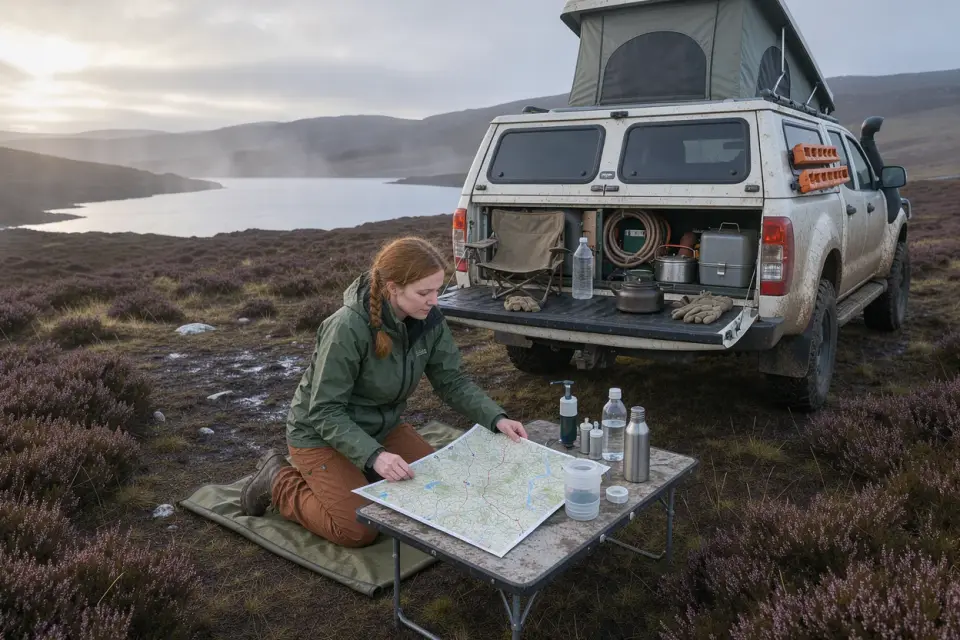
To see how these considerations apply in practice, consider this hypothetical decision example involving two distinct overland travellers with different operational priorities.
Traveller A is embarking on a three month overland traverse through varied terrain, camping remotely and hiking regularly from trailheads away from their 4x4. They carry two 20 litre jerry cans in the back for camp chores and require a dependable, individual solution for day treks and quick cab hydration. A personal filtration bottle like Water to Go fits Traveller A's profile well. It eliminates the weight of carrying multiple litres of pre filtered water on foot and allows safe refilling from clear natural streams or rural village taps, provided they stow two spare replacement cartridges in their vehicle spares box.
Traveller B travels as a family of four in a large expedition truck, preparing three communal meals a day at camp and rarely venturing far from the vehicle on foot. For Traveller B, relying exclusively on individual squeeze or straw filter bottles would prove time consuming and inefficient for boiling pasta or filling a communal kettle. Traveller B would be better served by prioritising a high volume gravity filter or an inline multi stage pump system at the camp sink, keeping personal filter bottles merely as secondary emergency backups.
Maintenance and Practical Cab Storage
Living out of a vehicle exposes gear to temperature extremes, dust, and continuous vibration. Filter bottles stored inside a cab can quickly accumulate fine bulldust around the drinking spout if left exposed in open cup holders. Choose models with hygienic, locking mouth covers, or store the bottle inside an enclosed console pouch or canvas organiser while driving down dusty tracks.
Moisture management is equally critical when maintaining filter longevity between travel legs. Storing a damp filter sealed inside an airtight bottle in a hot vehicle interior can foster mildew and unpleasant odours. After arriving home or during rest days, follow manufacturer guidelines for airing out and thoroughly drying filter components before long term storage.
Maintaining sensible travel habits also means balancing hydration routines with steady rest and gentle movement breaks during long driving stints. Keep your personal filtration bottle within easy reach of the passenger seat, allowing you to stay hydrated steadily without diverting attention from navigation or trail conditions.
Common questions
Can I use a personal filter bottle to treat all the water for my overland camp?
While technically possible, it is rarely practical. Personal filter bottles are designed for direct drinking through a mouthpiece. Using them to fill large cooking pots, kettles, or wash basins is slow and tiring. A gravity bag or vehicle plumbed system is far better suited for bulk camp chores.
How should I protect my water filter bottle in freezing temperatures?
Freezing conditions can crack wet internal filter membranes, destroying their protective barrier without visible external damage. In sub zero weather, keep your filter bottle inside an insulated cab or sleep with it in your vehicle footwell or sleeping bag to prevent trapped water from freezing.
How do I know when a water filter cartridge needs replacing on the road?
Most physical filtration cartridges indicate the end of their operational lifespan through a noticeable drop in flow rate. When suction becomes difficult or water passes very slowly, the pores have become clogged with particulates, indicating it is time to fit a fresh replacement cartridge.
Can personal filter bottles remove salt from seawater or brackish coastal sources?
No. Standard portable outdoor filter bottles, including straw and squeeze systems, are designed for freshwater sources. They do not perform reverse osmosis or desalination and will not make sea water or heavily brackish coastal water safe to drink.
Partner discounts in this guide
Overland Finds may earn a commission from qualifying UK purchases made through this link, at no additional cost to you. This does not imply independent product testing or endorsement. Confirm current terms and availability with the partner.
Water to Go · UK
Explore reusable filter water bottles and replacement filters from Water to Go, made for travel, hiking and filling up away from home.
- Valid in
- UK
- Discount
- UK offer · Shop filter water bottles