
AI assisted editorial. Published following automated quality checks, not independent fact verification. Confirm factual, safety and legal matters with appropriate professionals.
The short answer
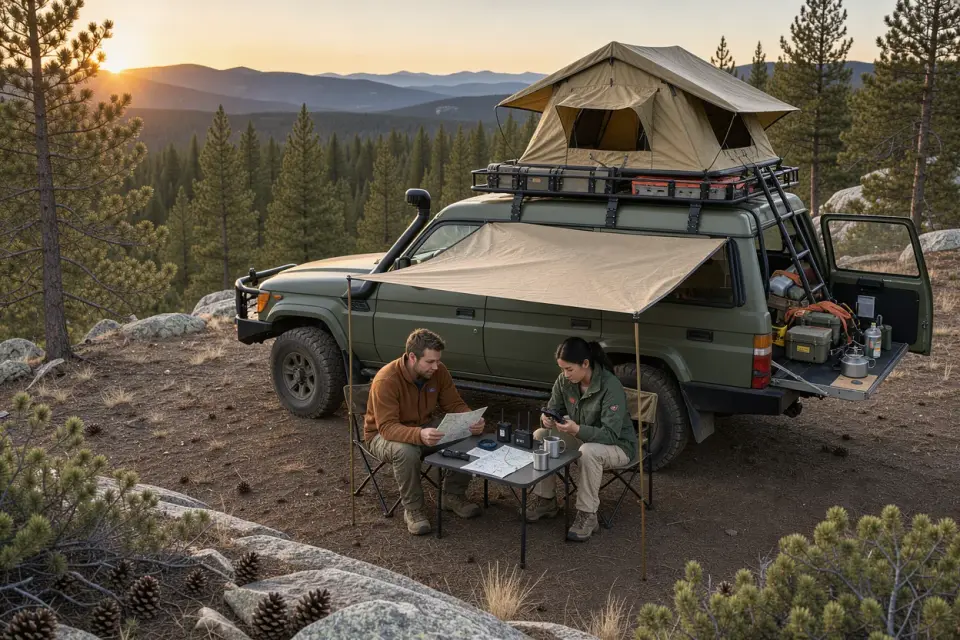
Maintaining dependable data access is essential for route planning, weather updates, and remote camp logistics during overland journeys. This guide examines how travel connectivity tools, such as the digital USIMS USA travel eSIM, fit into a multi layered expedition communication strategy across varied overland terrain.
Key takeaways
- Digital travel eSIM profiles eliminate physical card swapping when crossing borders, saving valuable setup time at trailheads and ports of entry.
- Overlanders must verify handset hardware compatibility and domestic network carrier unlocking prior to departing on remote tracks.
- Data only travel eSIMs serve navigation, weather monitoring, and messaging apps, but rarely replace dedicated satellite trackers in dead zones.
- A resilient expedition communication strategy blends regional cellular data, pre downloaded offline cartography, and back up satellite distress links.
Connectivity Demands on Overland Expeditions
Vehicle based adventure travel frequently navigates the boundary between connected highways and remote, off grid tracks. While the romantic appeal of overlanding centres on self reliance and unplugging, modern expedition safety and camp management rely heavily on digital services. Real time satellite imagery, topographic route rendering, wild camping coordination, and sudden weather alerts require dependable data connections before an overland convoy rolls out of cell reception.
Traditional roaming arrangements provided by domestic mobile contracts often carry prohibitive fees or enforce severe bandwidth throttling once border checkpoints are crossed. In contrast, international overlanders historically queued at local kiosks to purchase local plastic SIM cards. While effective, swapping tiny plastic chips on the dashboard or at a windy border post introduces hassle, risk of losing domestic SIM cards, and delays in establishing navigation lines.
Travel connectivity has shifted towards digital embedded SIM (eSIM) technology. For life on the road, having data pre configured or downloadable straight to an unlocked mobile phone removes friction upon border arrival, allowing drivers to immediately download updated track reports, check national park access conditions, or contact support services without hunting down high street telecom shops.
Partner Profile: Examining USIMS USA for Road Expeditions
In the travel connectivity sector, USIMS provides digital travel eSIM services designed for international travellers. According to partner provided information, USIMS provides travel eSIM data plans for worldwide destinations, enabling users to stay connected abroad without swapping physical SIM cards or incurring traditional roaming charges. Within this ecosystem, USIMS · USA is offered specifically for journeys taking overlanders across the United States.
It is important to distinguish partner descriptions from independent, trail tested verification. While USIMS describes a seamless transition free from physical card handling and roaming tariffs, an overlander must evaluate how cellular profiles behave in real backcountry environments. Cell networks in expansive countries like the United States rely on varying partner infrastructure, meaning rural coverage depends entirely on the underlying tier one or tier two mobile networks contracted by the provider.
For vehicle based explorers, a tool like USIMS · USA functions primarily as a convenient regional data pipeline for unlocked smartphones or dual SIM cellular tablets mounted in the cockpit. It allows an overlander landing in or crossing into the United States to secure immediate mapping, campsite booking, and transit data without waiting for mail order cards or visiting strip mall retail outlets.
Practical Overland Comparison Framework: eSIM vs Alternatives
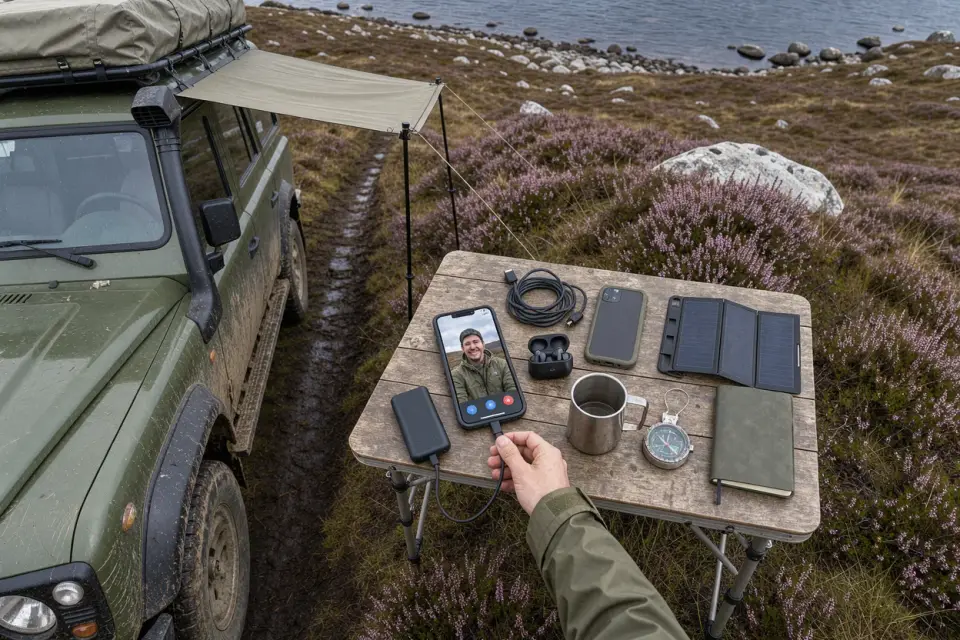
Choosing the right communication tools for an overland vehicle requires balancing convenience, regional coverage depth, hardware compatibility, and redundancy across three main categories: travel eSIMs, physical local SIMs, and satellite communicators.
Travel eSIMs excel in setup velocity and convenience. Because profiles are downloaded via software, you can stage them before leaving home, keeping your domestic primary number active for two factor authentication banking alerts while assigning road data to the travel profile. However, travel eSIMs are typically data only, lack a local telephone dialling number, and depend entirely on existing regional cell masts.
Local physical SIM cards, purchased inside the destination country, often grant access to native consumer networks with prioritised mast traffic and local voice minutes, which can be useful when calling rural mechanics or state park ranger stations. However, sourcing them eats into travel time, requires presenting passports in foreign languages, and involves physical swapping.
Satellite messaging and communication hardware operates completely outside the cellular spectrum. It discounts lifeline communications, emergency SOS triggers, and low bandwidth tracking across trackless deserts or mountain passes where no cellular mast reaches. However, satellite hardware carries higher hardware acquisition costs and does not support heavy everyday web browsing, high resolution offline map downloading, or general streaming.
Questions Overlanders Should Clarify Before Buying
Before selecting a travel connectivity package such as USIMS · USA or any equivalent data service, vehicle travellers should ask targeted operational questions:
Which underlying local cellular carriers host the service? In vast countries with rugged wilderness areas, carrier coverage maps vary sharply. Overlanders should ask which tier one domestic networks the eSIM roams on to understand whether mountainous public lands or remote desert corridors have mast support.
Does the data package support mobile tethering and personal hotspot functions? Overland setups often involve routing data to cockpit navigation tablets, laptops for remote vehicle diagnostics, or auxiliary camp devices. Certain travel eSIM packages restrict hotspot sharing, which diminishes their value inside an expedition vehicle.
How is the profile activated, and what validity timeframe applies? Some eSIM packages start their validity clock upon QR code installation, while others wait until the handset first pings a destination cellular tower. Clarifying this ensures you do not inadvertently burn days of connectivity before your expedition reaches the target country.
Hypothetical Decision Example: Staging an Overland Transit
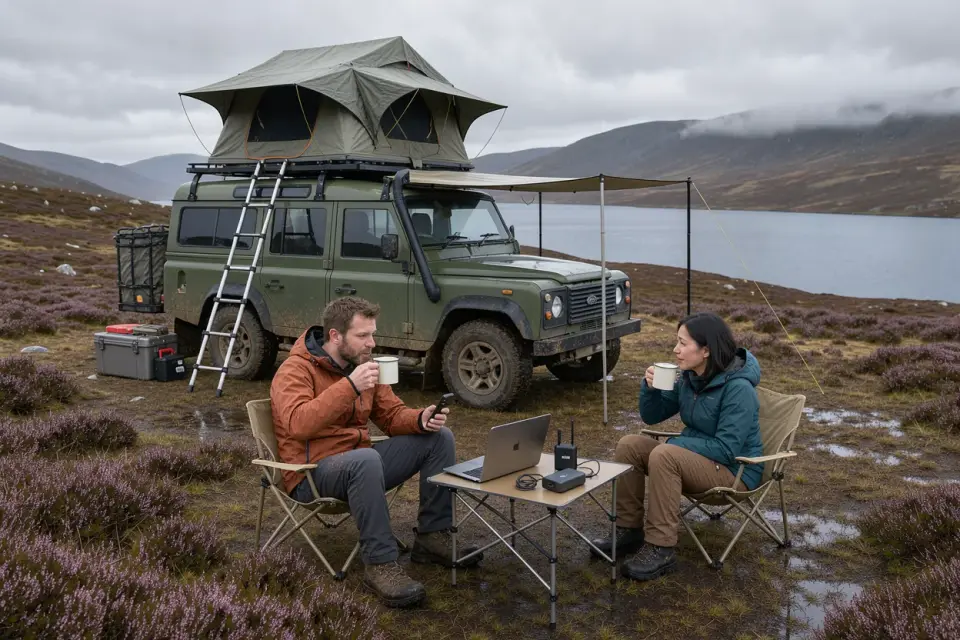
Consider a hypothetical overlander, David, who is driving an expedition camper across the border from Canada into the United States for an eight week exploration of the Intermountain West and national forest tracks. David needs navigation updates, email access for managing work remotely from camp, and messaging connectivity for his crew.
David evaluates three practical approaches: relying on home network international roaming, purchasing a local plastic prepaid SIM card at an urban strip mall post crossing, or provisioning a digital profile via USIMS · USA ahead of time.
David's home carrier roaming tariff would accumulate substantial daily fees over eight weeks, making it uneconomical for extended backroad travel. Visiting a retail phone store across the border requires deviating from his planned wilderness route into congested suburban traffic, losing nearly half a travel day.
Instead, David selects a digital travel eSIM solution like USIMS · USA. He installs the eSIM profile onto his unlocked smartphone while still on home Wi Fi. Upon crossing the frontier, the handset connects immediately to partner cell infrastructure, providing live border crossing queue updates, access to road closure bulletins, and immediate waypoint sync. For off grid canyons where no carrier reaches, David retains a dedicated satellite messenger as his non cellular safety backup, maintaining a balanced, resilient overland communication system.
Common questions
Can a travel eSIM completely replace a satellite communicator for overlanding?
No. Travel eSIM profiles rely strictly on ground based cellular phone masts. When overlanding through remote wilderness, deep canyons, or expansive public lands outside cell tower range, an eSIM will show no service. Satellite communicators remain necessary for off grid emergency SOS signals and track alerts.
Will a digital travel eSIM support personal hotspot sharing to a cockpit tablet?
Hotspot and tethering permissions vary depending on the specific profile provider and host carrier agreement. Overlanders should review whether mobile hotspot functionality is permitted so that navigation tablets, GPS units, and camp laptops can share the cellular data allocation.
What handset prerequisites are required before using an eSIM like USIMS on the road?
Your smartphone or tablet must have built in eSIM hardware compatibility and must be fully network unlocked by your original domestic mobile provider. Locked devices will reject third party travel profiles regardless of data plan terms.
Do travel eSIMs provide a local phone number for making regular voice calls?
Most travel eSIM plans, including typical international data profiles, are data only packages. While you can make voice and video calls through data based messaging applications, they usually do not include a standard local telephone number for landline or traditional cellular voice dialling.
Partner discounts in this guide
Overland Finds may earn a commission from qualifying purchases made by customers in the USA through this link, at no additional cost to you. This does not imply independent product testing or endorsement. Confirm current terms and availability with the partner.

USIMS · USA
Stay connected abroad with USIMS travel eSIM data plans for destinations worldwide, with no physical SIM card to swap and no roaming charges.
- Valid in
- USA
- Discount
- USA offer · Shop travel eSIMs