
AI assisted editorial. Published following automated quality checks, not independent fact verification. Confirm factual, safety and legal matters with appropriate professionals.
The short answer
Selecting the right automotive accessories for an overland build requires balancing utility against vehicle payload, durability, and trail protection. This guide examines how aftermarket upgrades fit vehicle based adventure travel, featuring partner brand OEDRO and practical criteria for customising your touring truck.
Key takeaways
- Prioritise payload capacity and axle ratings before installing heavy aftermarket accessories on your overland vehicle.
- Choose interior protection like custom fit floor liners to simplify camp cleaning and manage grit from extended trail days.
- Match exterior hardware such as side steps, bumpers, and bed covers to your realistic terrain requirements rather than purely visual appeal.
- Verify compatibility with factory mounting points, parking sensors, and recovery gear before finalising any accessory purchase.
Aligning Aftermarket Upgrades with Overland Demands
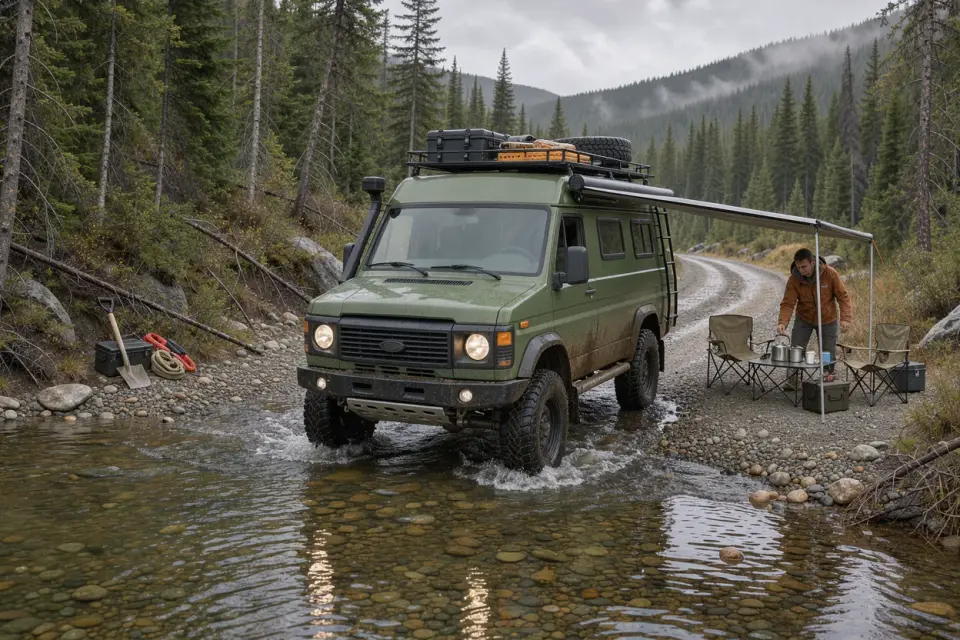
Preparing a 4x4 or pickup truck for vehicle based adventure travel involves distinct challenges that differ significantly from standard highway driving or weekend DIY hauling. Extended overland journeys expose vehicles to persistent vibration, mud, gravel spray, river crossings, and dust ingress. Every piece of equipment mounted to the chassis, tub, or cab must withstand repeated trail use without creating rattles, snag hazards, or unexpected maintenance burdens in remote regions.
When planning your overland rig, aftermarket accessories usually address three main functional zones: cab cleanliness, cargo security, and exterior utility. In this market, OEDRO provides a broad portfolio of components under their OEDRO, Auto Parts & Accessories · US range. According to OEDRO, their offering includes floor mats, bumpers, tonneau covers, running boards, storage boxes, and auxiliary LED lighting tailored for pickup trucks and off road vehicles. While these partner provided descriptions outline intended functions, overlanders must evaluate how each specific component aligns with remote travel demands.
Cab protection is often the first line of defence on long itineraries. High sided, moulded floor mats stop abrasive trail grit, bog mud, and spilled camp water from soaking into factory vehicle carpets. If left unmanaged, trapped moisture under standard carpeting can cause musty odours, dampness, and long term chassis corrosion inside the passenger cabin. Selecting hard wearing, easily washable mats makes daily camp hygiene and end of trip cleanouts far more straightforward.
External upgrades such as tonneau covers and cargo boxes safeguard essential camping gear, cooking kit, and recovery tools from rain, dust, and opportunist theft when you leave your vehicle unattended at trailheads. However, because external gear must face continuous environmental exposure, evaluating weather sealing, locking mechanisms, and structural stiffness is essential before committing to any specific aftermarket product line.
Practical Comparison Framework for Overland Upgrades
Choosing aftermarket components for a touring setup requires careful compromise. Adding accessories inevitably affects vehicle dynamics, gross vehicle weight (GVW), and maintenance routines. When reviewing aftermarket options, use the following four pillar comparison framework to assess whether an accessory genuinely enhances your overland capability:
1. Weight versus Utility: Every kilogram added to your rig subtracts from your usable payload for drinking water, auxiliary fuel, food, and passengers. Bulky steel bumpers or solid steel sidesteps provide formidable impact protection, but lighter tubular designs or aluminium variants may suffice for general overland touring without overloading suspension dampers.
2. Environmental Sealing and Dust Defence: Off grid travel on unsealed corrugated tracks generates fine dust that penetrates microscopic gaps. Tonneau covers and cargo boxes must feature resilient seals and positive latches. Assess whether a bed cover relies purely on foam strips or continuous rubber bulb seals that tolerate structural flex over uneven ground.
3. Ease of Maintenance and Field Servicing: Trail debris, salty road spray, and grit lodge inside crevices. Consider how easy it is to clean behind side bars, underneath floor mats, and around light brackets. Components with smooth finishes or textured powder coating tend to resist chip induced corrosion better than unprotected raw edges.
4. Installation Impact and Sensor Integration: Modern overland platforms come equipped with complex driver assist systems, parking sensors, and adaptive cruise radars. Ensure that aftermarket bumpers or grille inserts do not obstruct radar apertures or camera lenses, and confirm whether mounting requires permanent drilling into structural crossmembers.
Questions to Ask Sellers Before Purchasing
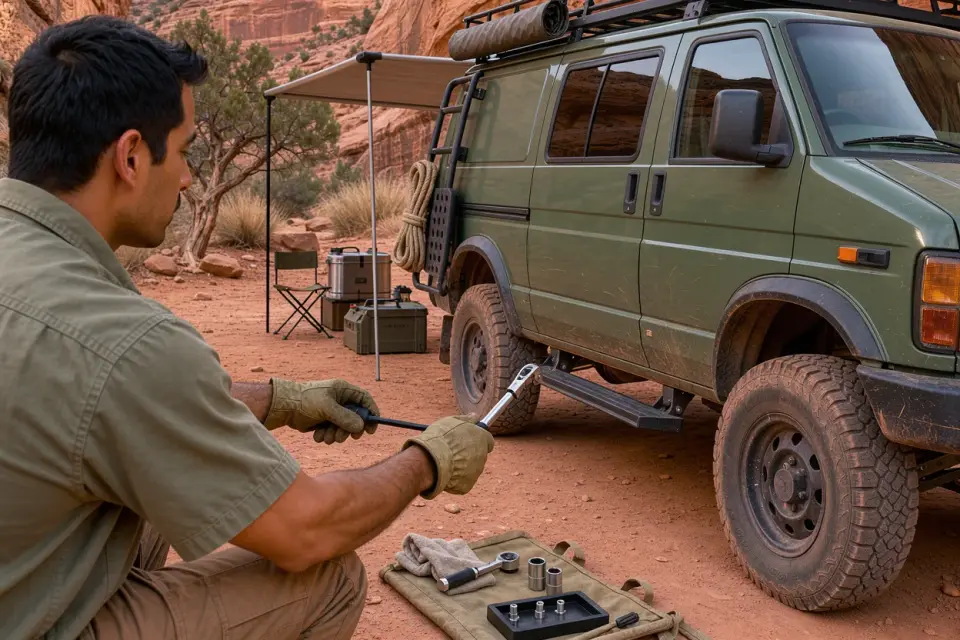
Before ordering components from retailers or aftermarket suppliers like OEDRO, take time to clarify specific technical and practical questions. Communicating directly with the vendor ensures that the parts you receive match your travel expectations and exact vehicle trim.
Inquire about specific vehicle fitment variations: 'Does this component mount directly to original factory chassis points, or does it require trimming of the inner wheel liners, plastic valances, or frame brackets?'
Clarify load ratings and structural applications: 'What is the certified static and dynamic weight rating for these side steps or storage brackets, and are they rated to support the full weight of an adult climbing into a roof tent?'
Check weather resistance and finish durability: 'What specific coating process is used on external steel or aluminium hardware to resist stone chipping and corrosion in wet or salted environments?'
Verify compatibility with existing accessories: 'Will this tonneau cover or cargo box accommodate existing bed mounted roof racks, sports bars, or modular overland bed systems without interference?'
Hypothetical Decision Example: Balancing Utility and Payload
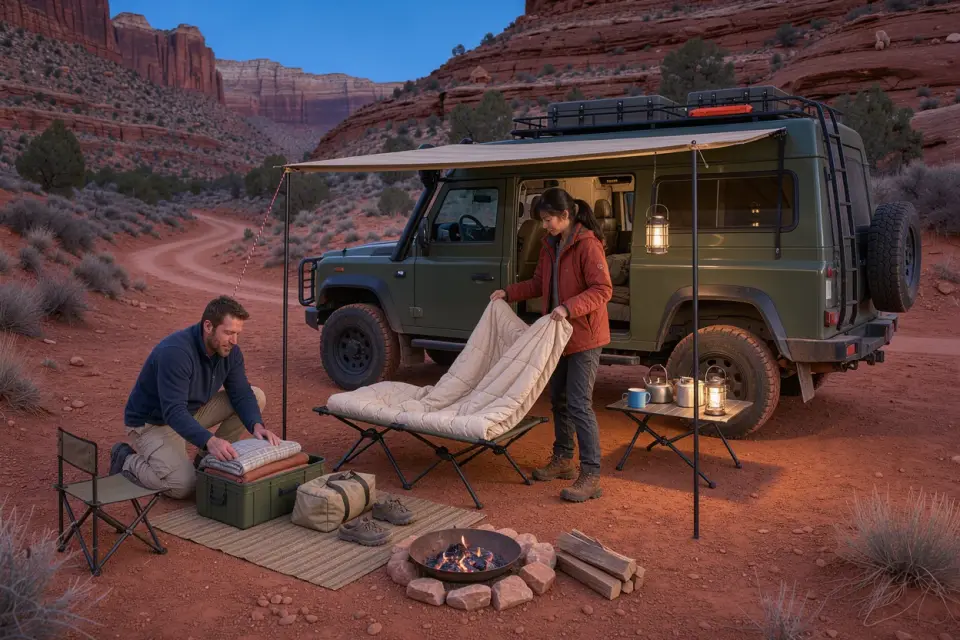
Consider this clearly labelled hypothetical scenario to see how an overland traveller might make balanced purchasing choices.
Hypothetical Scenario: A traveller is preparing a modern mid sized dual cab pickup truck for a three week self supported overland traverse involving gravel tracks, forest tracks, and established bush camps. With a family of three and significant gear aboard, available payload is limited to 220 kg after accounting for water tanks, a dual battery setup, and a compressor.
Option A involves outfitting the truck with heavy duty full width steel plate bumpers front and rear, rock sliders, and a solid metal roll top tonneau cover. While this configuration provides maximum trail impact protection, the cumulative weight exceeds 140 kg, consuming over sixty percent of the vehicle's remaining payload and requiring an expensive suspension re tune.
Option B involves selecting targeted, lighter upgrades from an aftermarket range such as OEDRO: a lightweight tri fold bed cover to protect camp storage boxes from rain, modular tubular running boards for roof rack access, and a complete set of moulded all weather floor liners to handle mud. This combined setup adds less than 45 kg to the truck, retaining ample payload for essential supplies while still fulfilling the primary functional goals of camp organisation and cab protection.
Common questions
How do aftermarket floor liners protect an overland vehicle?
All weather floor mats with raised perimeter edges contain mud, sand, and moisture brought in from camp. This prevents grit from grinding into carpet fibres and stops dampness settling into the floor pan, reducing long term interior corrosion.
Will adding heavy bumpers and side steps affect my overland range?
Yes. Adding substantial dead weight increases rolling resistance and alters suspension geometry, which generally increases fuel consumption. For remote journeys, balancing protection against overall weight is crucial for fuel planning.
Can tonneau covers keep overland cargo completely dustproof?
Most tonneau covers offer high weather resistance against rain, but unsealed tailgate gaps can still draw fine dust on corrugated tracks. Achieving full dust exclusion often requires complementary tailgate sealing kits alongside the cover.
Are aftermarket running boards suitable as recovery jacking points?
Generally no, unless they are specifically engineered and rated as structural rock sliders connected directly to the chassis frame. Standard running boards or side steps are designed for cab access and cannot support vehicle recovery loads.
Partner discounts in this guide
Overland Finds may earn a commission from qualifying purchases made by customers through this link, at no additional cost to you. This does not imply independent product testing or endorsement. Confirm current terms and availability with the partner.

OEDRO, Auto Parts & Accessories · US
OEDRO discounts a wide range of automotive accessories for pickup trucks and off road vehicles, including floor mats, bumpers, tonneau covers, running boards, storage boxes and LED lighting. Explore practical upgrades to customise your truck and prepare for your next adventure!
- Valid in
- US
- Discount
- Shop automotive accessories, including floor mats, bumpers, tonneau covers, running boards, storage boxes and LED lights.